

The history of present-day Ottawa originates in the valley of the river by the same name, near which the first settlements of various tribes once resided. This region is steeped in rich and vibrant history. The Ottawa Valley holds numerous artifacts and monuments that provide evidence of the active life of people here long before the official founding of the city or even its designation as Canada’s capital. Thus, life in the areas that now constitute Ottawa may have existed tens of thousands of years ago. More on ottawa-future.com.
Archaeological Discoveries
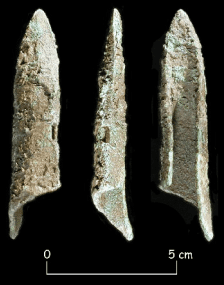
In the lower Ottawa Valley, near the modern city, archaeologists have uncovered numerous historical sites. However, resources have only allowed for the exploration of a small fraction of these sites. As a result, most theories regarding life in the Ottawa Valley before European contact—and before the city itself—are based on initial interpretations. Additional funding for artifact excavation would help reveal a broader and more detailed picture of life for these tribes.
Theories on Early Life Development Before Modern Ottawa
Archaeologists’ keen interest in understanding tribal life before external contact stems from the fact that ancient history in this region largely involves nomadic tribes focused on hunting and gathering. With few remaining traces, archaeologists work tirelessly to find any evidence of this pre-contact life in the valley. However, the search is complicated by the lack of specific data on early tribal camps.
Tribal Migrations
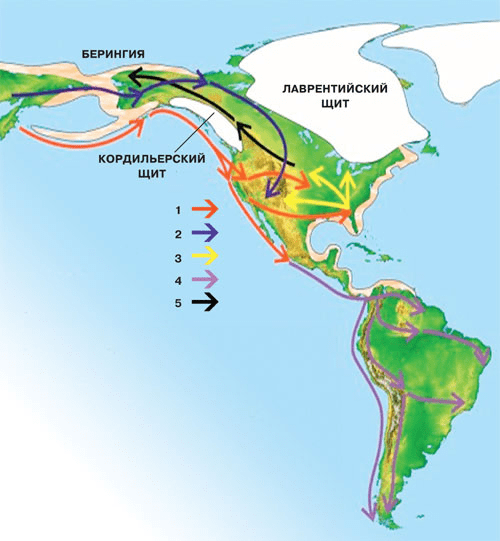
Several intriguing theories have emerged. Based on the presence of Lake Champlain, which was formed by glacial meltwaters in present-day Canada at the end of the last Ice Age, it’s hypothesized that people inhabited these lands in ancient times. This theory could challenge existing archaeological views on the first settlements of the Americas.
According to this theory, tribes migrated from northeastern Asia, crossing the Bering Land Bridge into the American continent. This migration occurred more than 15,000 to 30,000 years ago. If archaeologists were to find artifacts in the Ottawa Valley dating back to such a period, it could redefine our understanding of human settlement in North America.
Flora and Fauna
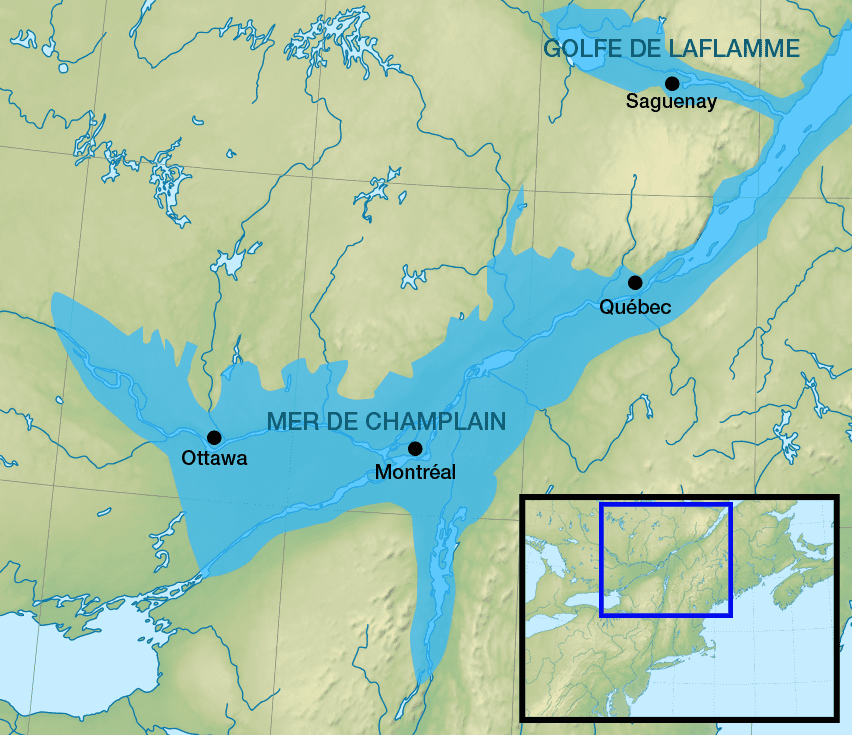
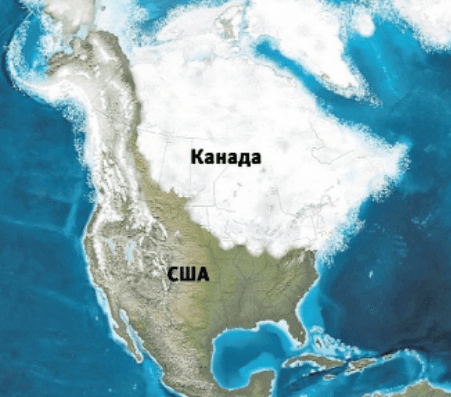
Another theory is based on the melting of the Laurentide Ice Sheet, which began approximately 15,000 years ago. When this ice melted, saltwater from the Atlantic Ocean flooded the Ottawa River Valley, creating the Champlain Sea. For many years, various marine life inhabited this sea, including the largest mammals such as the Greenland whale. A whale skeleton found near Pembroke in the 1970s serves as evidence of these ancient marine inhabitants.
Over time, the Champlain Sea receded, completing its withdrawal around 10,000 years ago. As it shrank, the Ottawa River began to form, fed by fresh water from the Great Lakes. During this period, the landscape and climate began to stabilize, setting the stage for plant growth and soil development.
The First Peoples of the Ottawa Valley
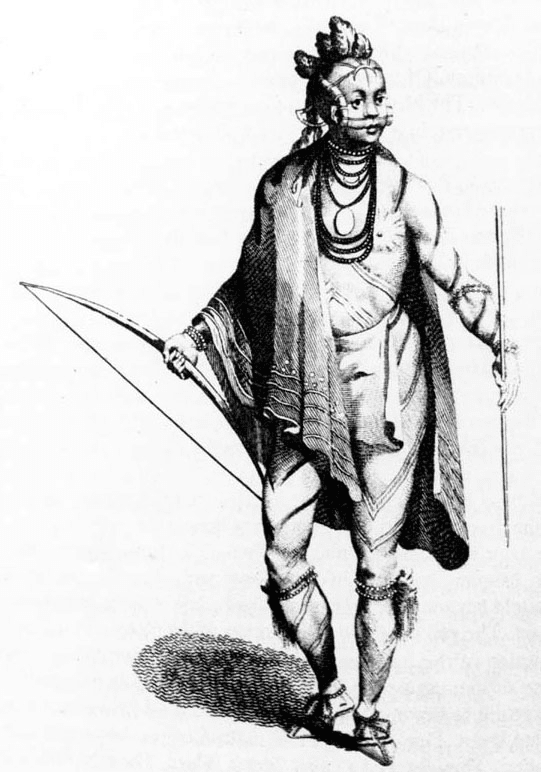
With the formation of the Ottawa River Valley, evidence of human presence on these lands begins to appear. Finding archaeological proof of these early inhabitants was difficult for researchers, as ancient campsites remain unidentified.
Additionally, the shores of Lake Champlain and the early Ottawa River were constantly changing, which meant they left no clear boundaries. If these water bodies had stable shorelines, archaeological searches would have been easier, and artifacts proving pre-contact tribal life might already have been discovered.
Only in the 21st century have archaeologists come closer to discovering the ancient shorelines of the Champlain Sea. However, many questions remain about how Ottawa’s first peoples lived—whether they used sea resources, tracked game, or explored new territories.
Artifacts discovered west and south of the Ottawa Valley suggest that the tribes had a flexible economy, allowing them to quickly adapt to changing conditions and make full use of available resources.
Some of the best-preserved evidence of early settlements on the site of present-day Ottawa was found in more distant areas. For instance, artifacts discovered on an island in the St. Lawrence River near modern Ottawa date back 8,000 to 8,500 years.
Similar artifacts, including serrated projectile points, were found by a local collector near Ottawa, in the Petrie area. The discovered artifacts resemble spear points likely used for hunting deer, a key activity for survival. However, archaeologists have yet to uncover any artifacts in the Ottawa Valley that depict a full picture of tribal life.
Evidence of Early Trade Networks in Ottawa
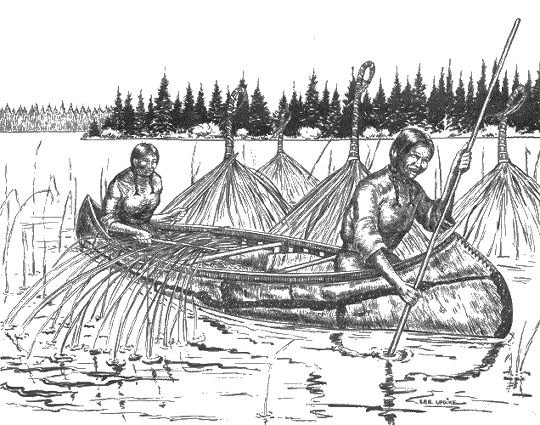
Our understanding of ancient life in Ottawa improved significantly when, in the 1960s, additional artifacts in the form of projectile points were found on islands in the Ottawa River near Pembroke. These finds are around 6,000 years old. They were uncovered at ideal fishing spots and along significant transportation routes.
The most fascinating aspect of these artifacts is the evidence that Ottawa’s early peoples used native copper and ore in near-pure form. These mineral sources were found near the western part of Lake Superior. Such findings suggest the scale of communication and trade networks of the time, with the Ottawa Valley playing a key role.
It suggests that trade in Ottawa existed long before the establishment of the fur and timber trades.
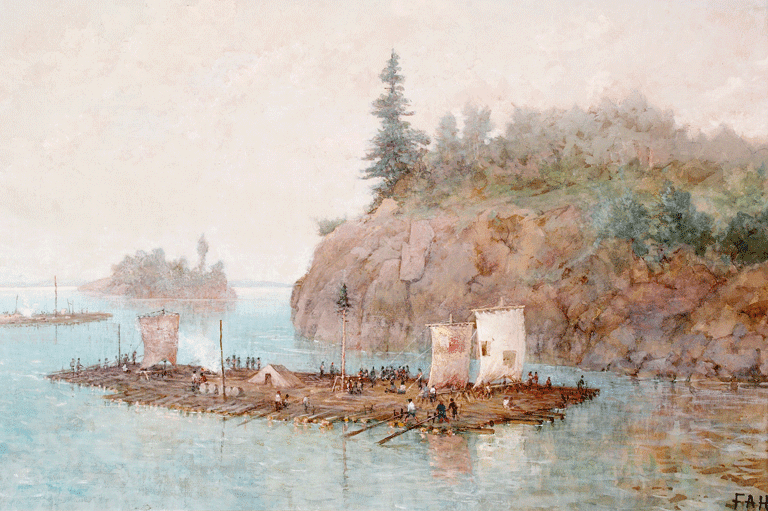
Adaptation of Tribal Nations
Archaeologists also identified other sites indicating the presence of tribes in the Ottawa Valley, particularly near South Nation Street in Pendleton. The tribes’ campsites were relatively close due to the Ottawa River’s previously higher water levels. These campsites date back 3,500 to 3,800 years. Distances between camps were a few hundred meters, but they shared many similarities.
Excavations at these ancient sites revealed microfossils: fragments of nut shells, berry seeds, mammal bones, calcified fish remains, and charred wood. Additionally, archaeologists found ancient tools, including metal-tipped spears similar to earlier finds, indicating that early Ottawa tribes adapted to environmental niches with diverse food sources.
Great River Trading Networks
An extensive archaeological complex found near the Gatineau River in Ottawa dates back 3,000 to 3,500 years. These sites indicate regular contacts with settlements in more distant regions, suggesting that ancient Ottawa tribes traded for exotic materials from as far as Labrador and the Upper Great Lakes.
Ancient Ottawa was unique for its convergence of several rivers, joining numerous waterways that offered significant trade and travel advantages.
First Contact with Ottawa’s Ancient Peoples

The first European to establish contact with Ottawa’s indigenous peoples was Samuel de Champlain. Evidence of his interactions with Ottawa Valley tribes comes from entries in Champlain’s diary.
At that time, the Ottawa Valley was better known as Grand River, or Kichi Sibi in the local language. Champlain’s notes reveal that these tribes identified themselves with various Ottawa Valley landmarks and waterways.
Archaeologists have made numerous attempts to find artifacts from this period of contact. However, searches along the lower Ottawa River are now difficult, as dam construction has submerged potential artifact sites.
The history of the present-day Ottawa region and its life began in ancient times. According to one theory, human life here dates back tens of thousands of years. Even before that, Ottawa was a sea. Gradually, tribes adapted and developed, leading to the growth of trade that contributed to the rise of modern-day Ottawa, a city known worldwide.