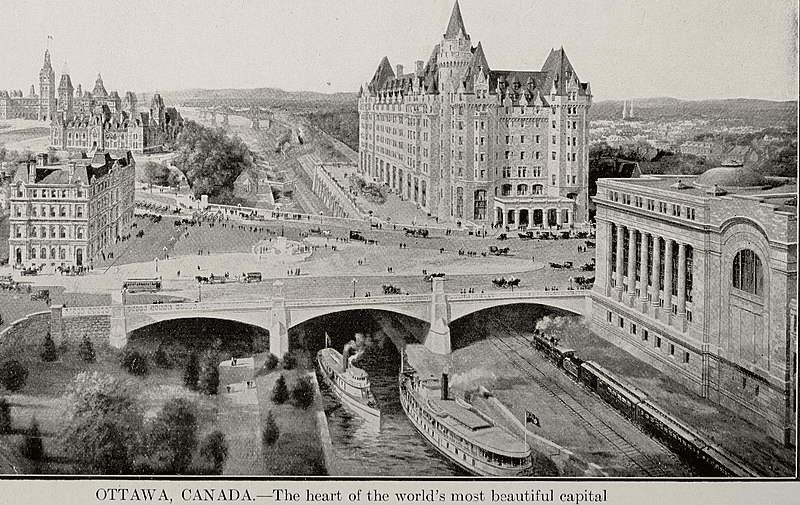

Ottawa, one of Canada’s most beautiful cities, boasts a remarkable mix of architectural styles, from historic buildings to ultra-modern designs. Many of the city’s historic structures in the downtown area are designed to resemble castles, lending a unique charm to the urban landscape. These buildings transport visitors to a regal setting, evoking the grandeur of a bygone era.
Among these castle-like landmarks is the Château Laurier, a storied hotel located in the heart of Ottawa. Learn more about this magnificent hotel on ottawa-future.com.
A Signature Landmark
The Château Laurier is not only one of Ottawa’s most stunning and unique buildings, but it also serves as a key landmark for tourists. Its construction in the early 20th century coincided with the building of the nearby Union railway station, with both structures opening on the same day. Situated in the heart of the city, these two iconic landmarks immediately showcased Ottawa’s grandeur to arriving visitors.
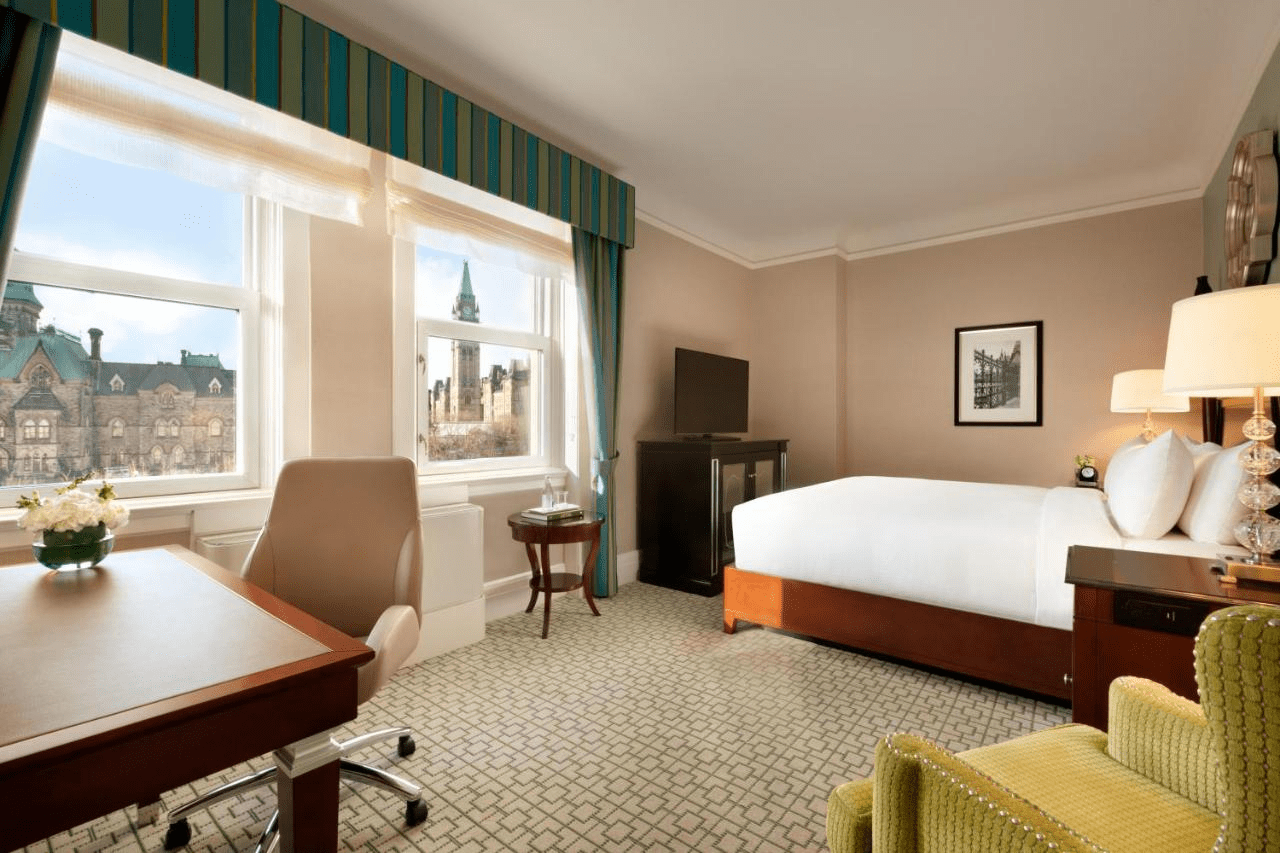
With its fairytale-like towers, the Château Laurier resembles a postcard come to life. Located on Wellington Street, it stands near the iconic Rideau Canal and offers breathtaking views of the river, surrounding hills, and the famous Parliament Hill. Many visitors, especially newcomers and immigrants, often mistake the hotel for part of the Parliament complex due to their architectural similarities. This resemblance is intentional, as the hotel was designed to complement the Gothic Revival style of Parliament Hill, creating a cohesive architectural ensemble.
Construction of the Magnificent Structure
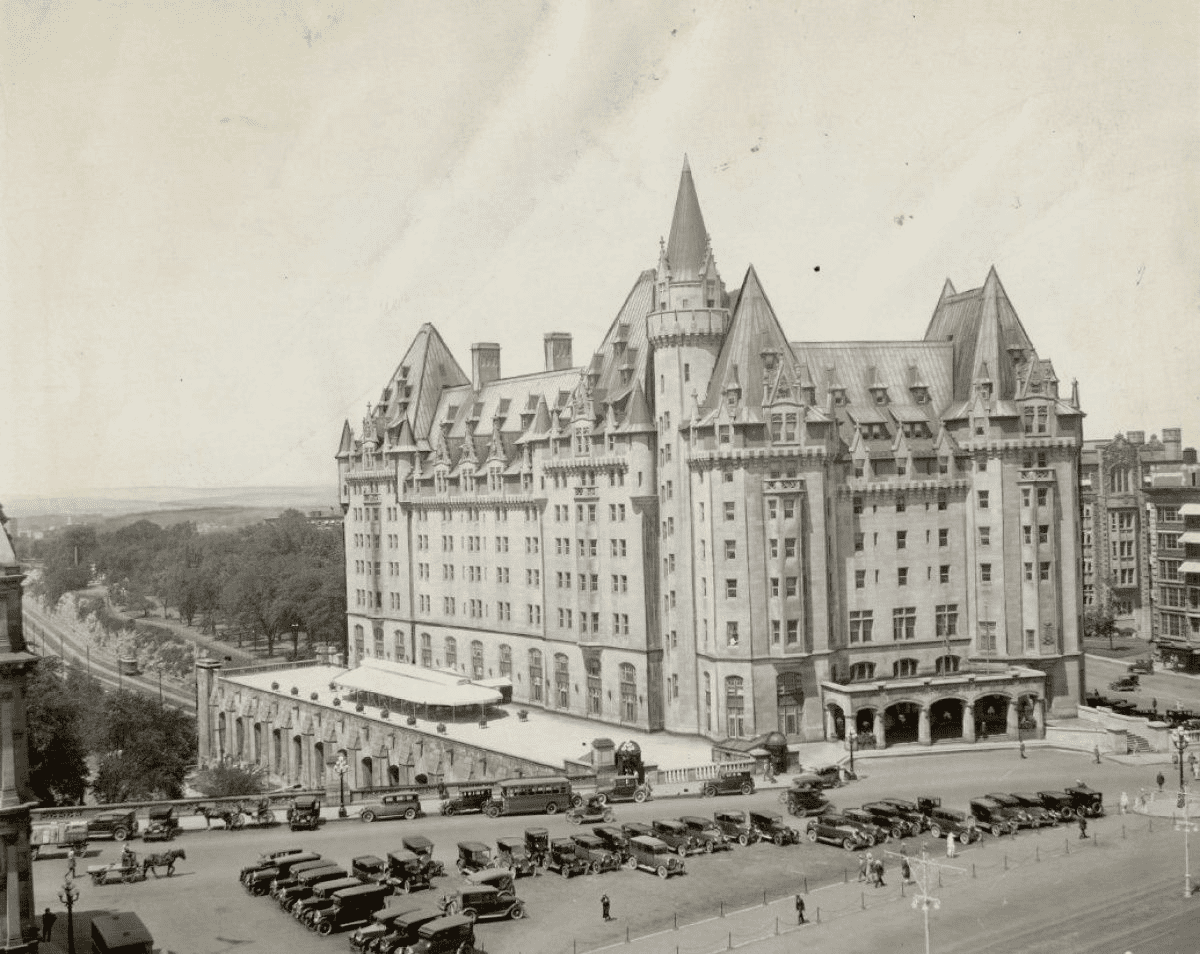
Construction of the Château Laurier began in 1909 and took four years to complete. At the time, the project cost a staggering $2 million, a considerable sum in the early 20th century.
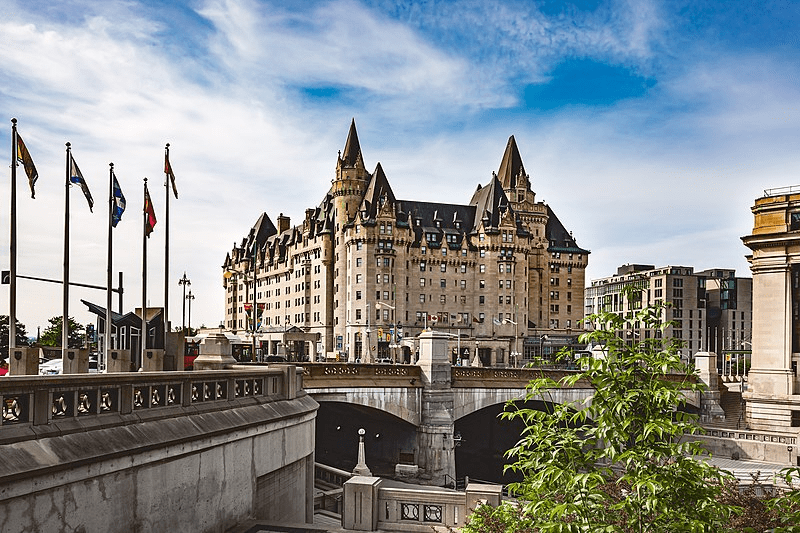
The architects aimed to capture the elegance of the château style, which shares some similarities with the Gothic Revival architecture seen throughout Ottawa. Château-style architecture, rooted in the Renaissance era, was popular in France’s Loire Valley. Since Ottawa’s territories were once colonized by the French, this architectural influence became part of the city’s cultural heritage.
Architectural Features
The Château Laurier is a quintessential example of Gothic Revival architecture, a style that originated in France and later spread across Europe and Canada. Its grand design is immediately striking, with unique conical towers reminiscent of medieval castles, dormer windows on the roof, and a copper roof that exudes sophistication.
The hotel’s façade is a masterpiece, adorned with intricate stained-glass windows, carved gables featuring floral motifs, crests, and other embellishments. This harmonious combination creates a stunning visual impact.
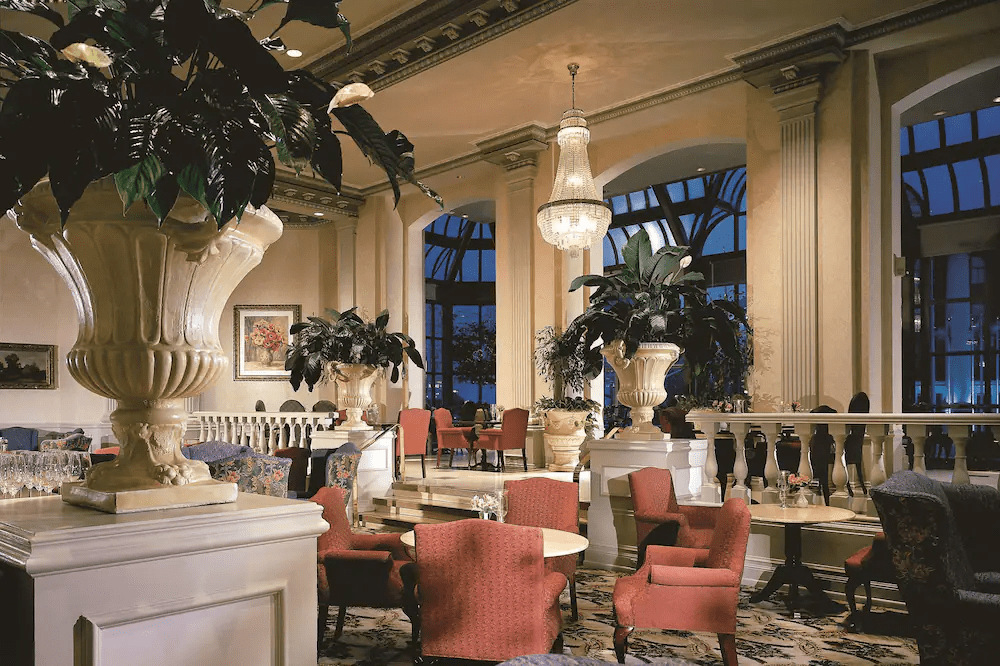
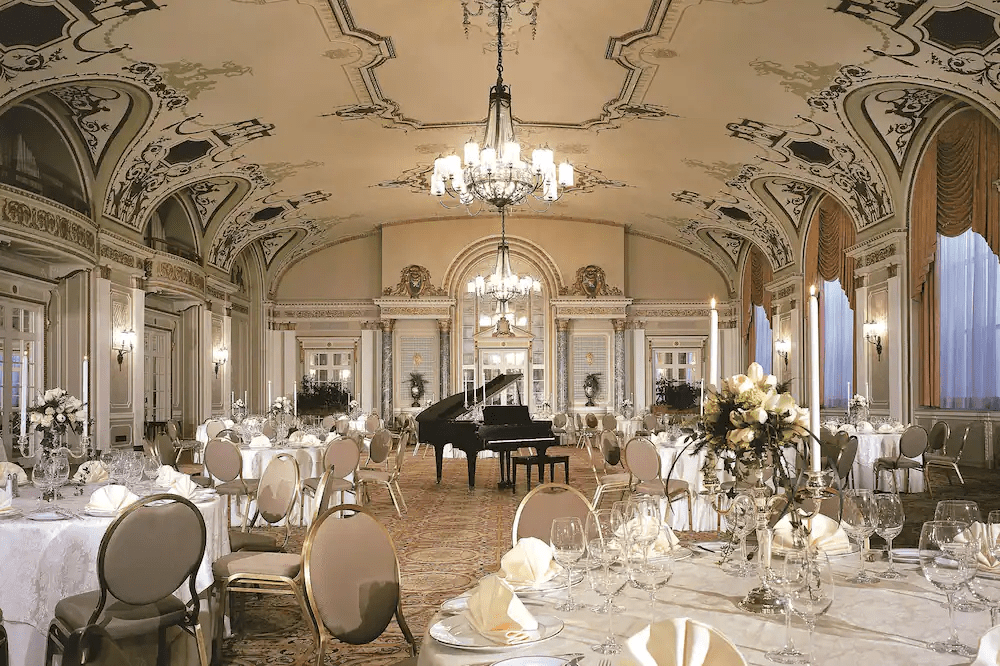
The hotel’s interior is equally impressive. The lobby features Belgian marble flooring, notable for its smooth, vein-free surface. Decorative plasterwork further enhances the luxurious ambiance.
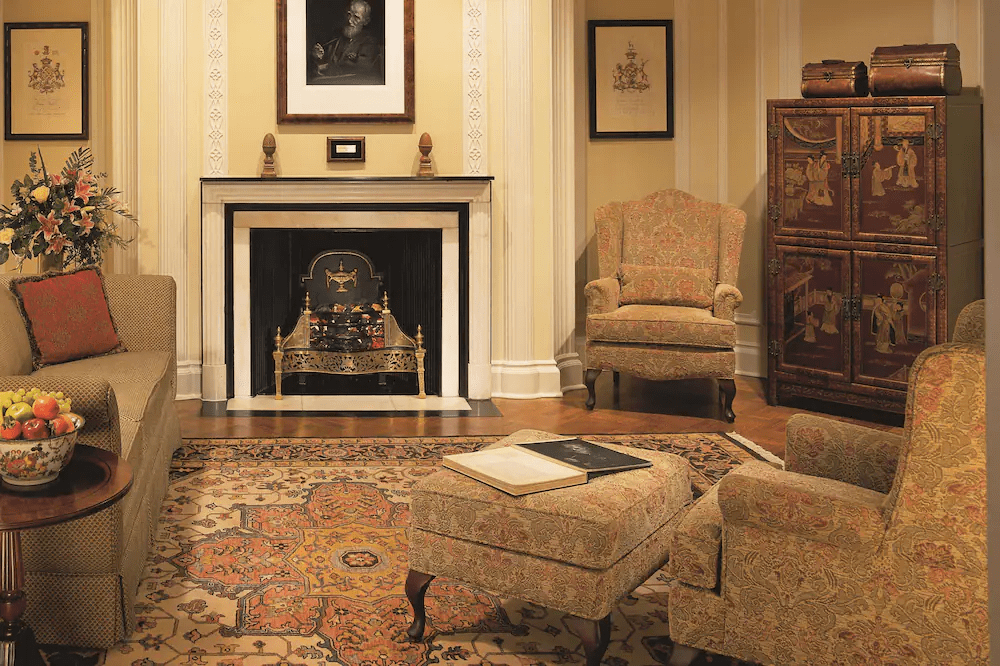
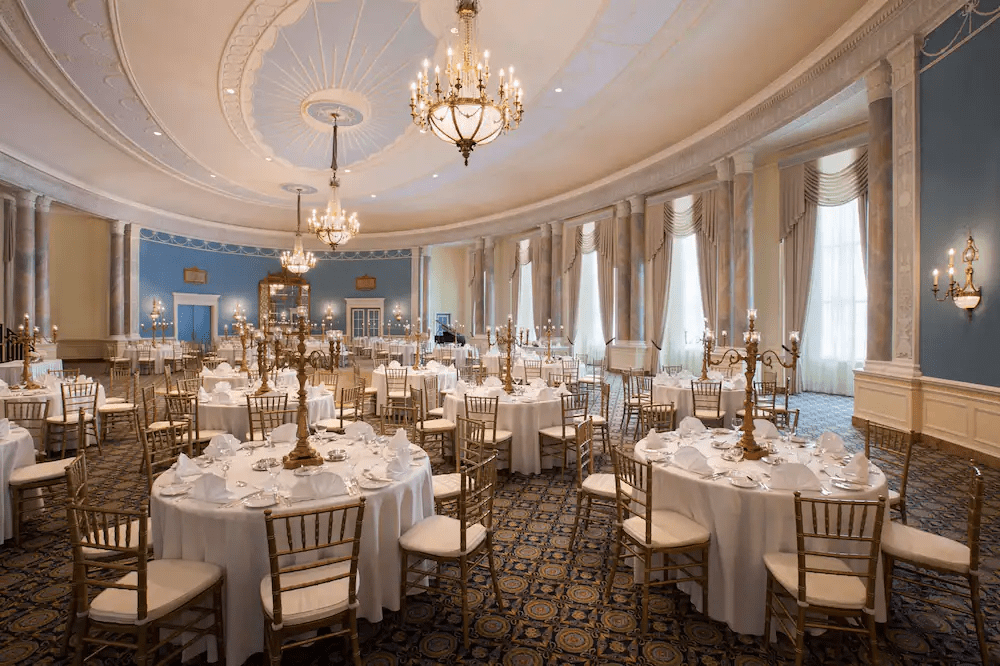
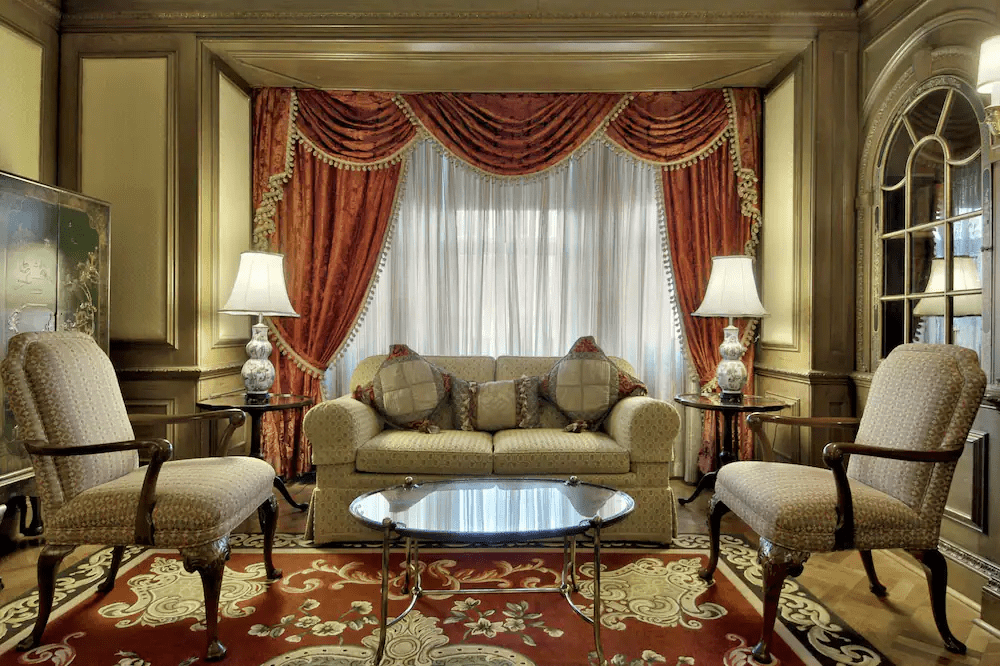
In addition to guest rooms and restaurants, the hotel includes meeting rooms, which were the predecessors of modern conference halls. These spaces are adorned with refined details, such as Roman columns in the Laurier Room and Wedgwood-inspired décor in the Adam Room. The lounge is enriched with cream and gold plasterwork, exuding a timeless opulence that captivates every visitor.
Cutting-Edge Amenities in the Early 20th Century
In the 1900s, the Château Laurier introduced state-of-the-art amenities that set it apart from other hotels. Alongside its unique architectural design, it featured advanced plumbing systems with temperature control, modern laundry facilities, and even on-site automobile repair services. These innovations underscored the hotel’s status as a symbol of progress and luxury.
Two Connected Buildings
The construction of the Château Laurier coincided with the building of the Union railway station. Together, these architectural marvels were designed to enhance Ottawa’s prominence. For added convenience, the Grand Trunk Railway company connected the hotel to the station via an underground tunnel.
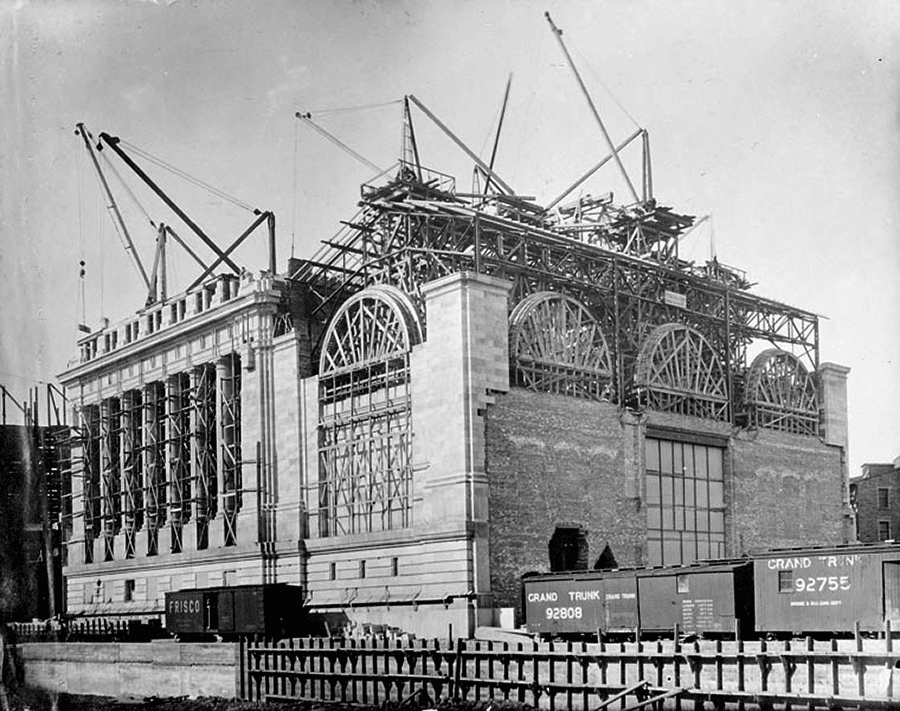
This ambitious project reflected the growing importance of travel and tourism in the early 20th century. Cities competed to create iconic landmarks, and Ottawa’s combination of a grand hotel and railway station served as a striking gateway to the capital.
The Château Laurier continues to captivate tourists from around the globe in the 21st century, just as it did in the 20th. It remains a jewel of Canadian railway history and a testament to Ottawa’s enduring architectural beauty.