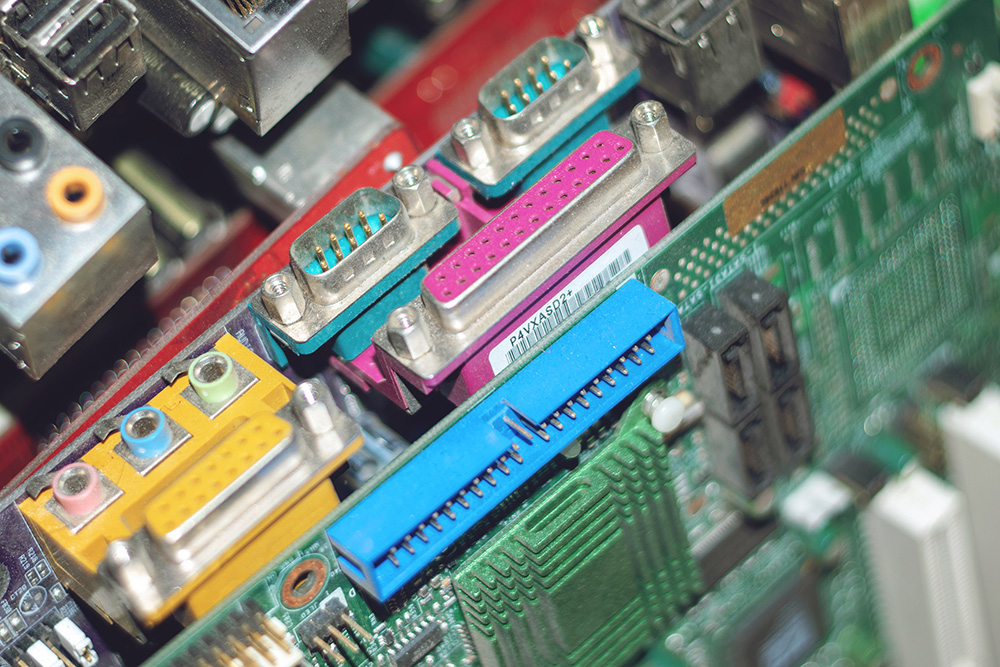
The computer is an everyday tool integral to modern life, but have you ever wondered when computers first emerged in Canada, particularly in Ottawa? Today, it’s nearly impossible to imagine education or work without them. From cloud computing and artificial intelligence to social media and online platforms, technology has significantly shaped society. Future Ottawa dives into the history of computers in Canada’s capital, offering a fascinating exploration of their evolution.
Early Electronic Computers
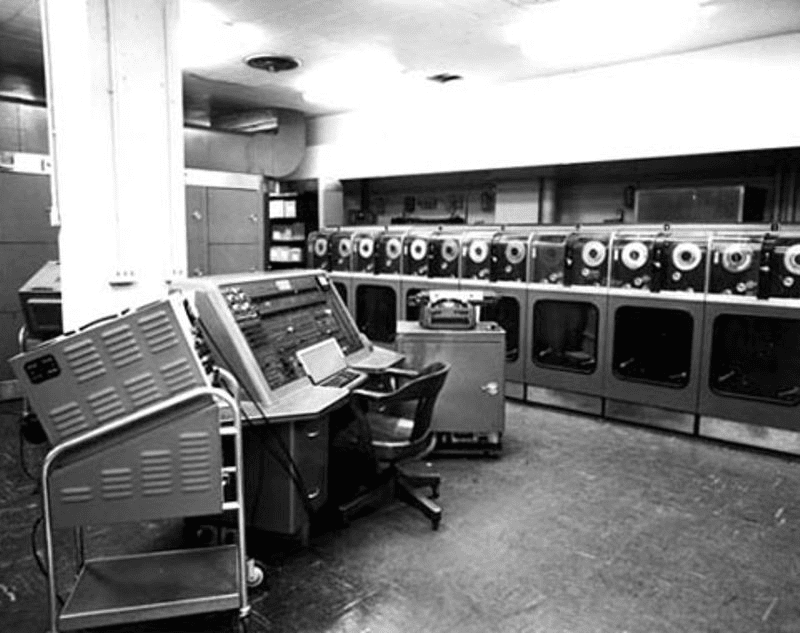
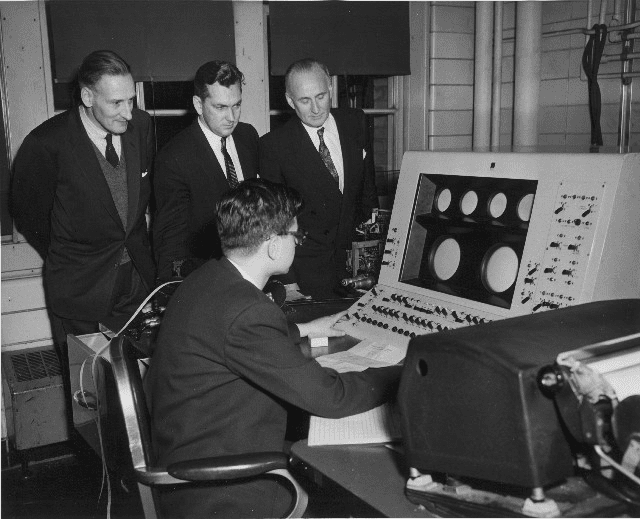
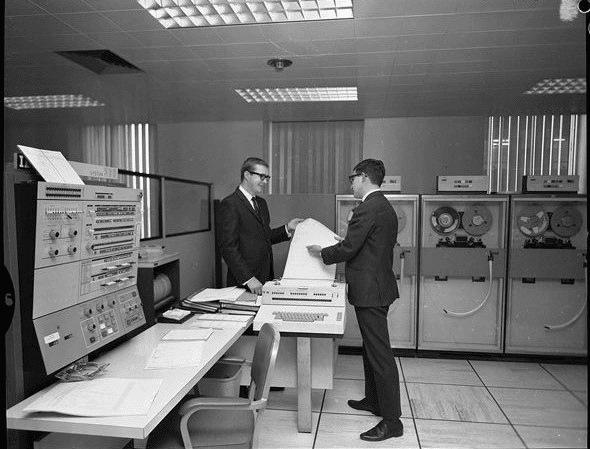
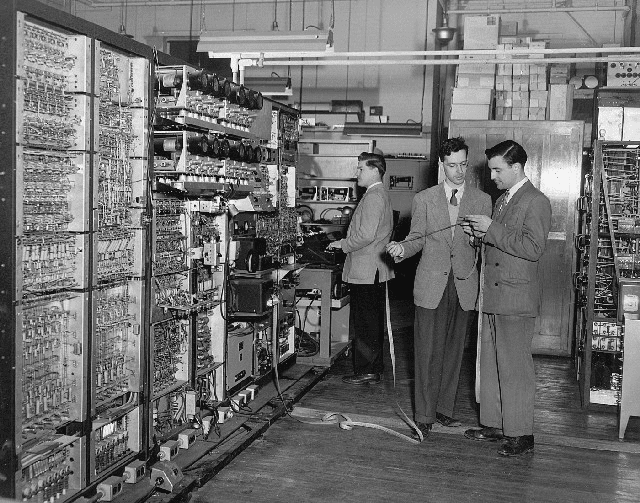
The story of electronic computers dates back to World War II when these devices were rare and used mainly by government agencies and universities. By the late 1950s, Canadian companies began integrating computers into their operations.
In 1964, universities started establishing the first computer science departments, paving the way for widespread use of personal computers (PCs) in businesses, schools, and homes. Computers soon gained substantial social importance, exemplified by a 1986 photograph of a computer lab at a university in Ottawa.
The Rise of Personal Computers
The journey of personal computers began in 1977 with the advent of microcomputers. PCs were smaller, more convenient, and significantly more affordable, including essential components like a display, keyboard, mouse, and memory. By 1983, hard drives were included in standard PC packages.
Residents of Ottawa could use these early machines for tasks like word processing, drawing, and even gaming. Initially, PCs appealed to technology enthusiasts, but they quickly gained popularity among average users.

Programming in Canada and Ottawa
In December 1982, Canada’s unemployment rate peaked at 13.1%, sparking a rise in computer-related training programs.
Interestingly, during the 1940s and 1950s, programming was considered a suitable job for women. Several notable examples illustrate their contributions:
- Codebreaking for the Enigma project in the UK.
- Calculating ballistic trajectories using ENIAC.
- Computing flight paths for NASA missions.
Over time, however, the trend shifted. As PCs became more common in Canadian households, they were predominantly marketed to boys. Today, only 25% of students in computer science and mathematics programs at Canadian universities are women.
By 1989, one-third of Canadian workers were using computers at their jobs, and approximately 20% of households owned a PC, a trend more common in urban areas than rural ones. The Canadian government worked to reduce the “digital divide” within society.
By 2017, 84.1% of Canadian households had a computer, and 89% of users had internet access.
The Macintosh Apple: A Legacy South of Ottawa
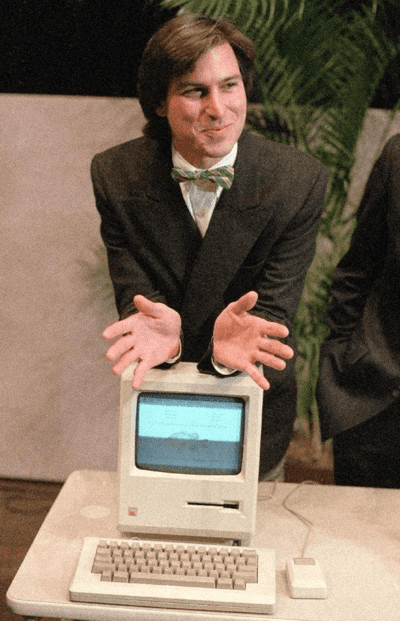
Apple’s Macintosh computer, launched in 1984, owes its name to the McIntosh apple—a favourite of Apple employee Jef Raskin. The Macintosh was the first personal computer to feature a graphical user interface and a mouse, marking a revolutionary step for Apple.
Interestingly, the name has roots in Ottawa. The McIntosh apple originated in Dundela, south of Ottawa, where it was discovered in the early 1800s. Raskin’s vision of creating an affordable, user-friendly computer for the average consumer traces its inspiration back to this iconic fruit.
Carleton University’s School of Computer Science
Established in 1980, Carleton University’s School of Computer Science began with six faculty members from departments such as mathematics, commerce, and systems engineering. Its first director, John Neilsen, spearheaded a curriculum that included:
- Software and hardware systems
- Computational theory
- Management and business systems
- Scientific applications
In 1987, Carleton and the University of Ottawa launched the Ottawa-Carleton Institute for Computer Science, fostering joint research in the field. By 1990, the school introduced a PhD program in computer science, and in 2003, it became the first in Canada to incorporate the Information Systems Professional (ISP) designation into its BCS program.
In 2011, Carleton pioneered Canada’s first master’s program in Human-Computer Interaction. By 2016, students gained opportunities for unique internships, blending traditional learning with innovation in industrial settings.
New Frontiers: Artificial Intelligence
The evolution of computers has paved the way for transformative technologies like artificial intelligence (AI). Two noteworthy AI advancements include:
- Autonomous Vehicles: These driverless cars navigate streets and highways with or without human intervention. Ontario launched a pilot program in 2016, allowing autonomous vehicles to be tested on public roads, provided a licensed driver is present to manage unforeseen events.
- Facial Recognition Technology: Widely used by Apple’s iPhone X and Canada’s Border Services Agency at airports, this technology compares a traveler’s photo with their passport. The Calgary Police Service also employs similar software.
The concept of the Internet of Things (IoT) has also gained traction, encompassing “smart” devices capable of connecting, exchanging data, and operating remotely.
Information and Communication Technology in Ottawa
Ottawa is recognized as one of Canada’s most tech-intensive cities, with over 10% of its workforce engaged in information and communication technology. The city is a leader in:
- Autonomous vehicles
- Digital media
- Financial technologies
- Government technologies
- Communication technologies
- 5G, photonics, and SaaS
Ottawa is home to global tech giants like Amazon, Apple, Mindbridge, Nokia, Shopify, and Klipfolio.
For modern users, computers are indispensable. Ottawa’s journey in computer technology has not only shaped its local landscape but also influenced the global tech industry. The city’s innovative spirit continues to drive revolutionary technologies, bridging the digital divide and creating new opportunities for education and employment.