

Have you heard of this network? Back in the early 1980s, Ottawa was a renowned hub for high technology. Prominent companies like Bell Northern Research and Mitel spurred the development of a cluster of small yet incredibly progressive and ambitious IT enterprises.
Most of these companies ceased operations due to competitive pressure or other reasons. Ottawa Future delves into the history of Nabu, a company that shone brightly and stood out from the rest.
What Did “Nabu” Stand For?
Ambitious computer companies were gradually closing their doors in Ottawa. Some residents still remember names like Gandalf Data, Norpak, and Xicom, along with other IT ventures. The decline of these companies was not only due to intensifying competition but also rapid technological change, insufficient funding, and weak consumer demand.
Nabu drew its name from the Babylonian god of wisdom and writing. The acronym stood for “Natural Access to Bidirectional Utilities.” Initially registered as Nabu Manufacturing Corporation, the company debuted on the Toronto Stock Exchange in December 1982, raising $26 million during its initial public offering. Based in Ottawa, the company was the product of carefully planned mergers and acquisitions.
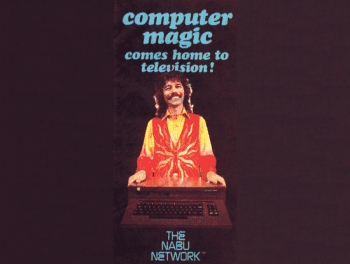
Some Ottawa residents still recall Nabu’s distinctive advertising campaigns, featuring renowned Canadian magician Doug Henning. An image from the 1984 campaign remains a historical artifact.
Business Strategy of “Nabu”
The company employed about 900 people, with roughly half of its workforce based in Ottawa. Here’s a closer look at Nabu’s business strategy:
- Entering the Market with Desktop Computers: In 1983, Nabu launched the 16-bit NABU 1600 for text processing and data management at its factory in Almonte.
- Canada’s First Home Microcomputer: The company aimed to compete with giants like Commodore, IBM, Xerox, and Apple, which went public in December 1980.
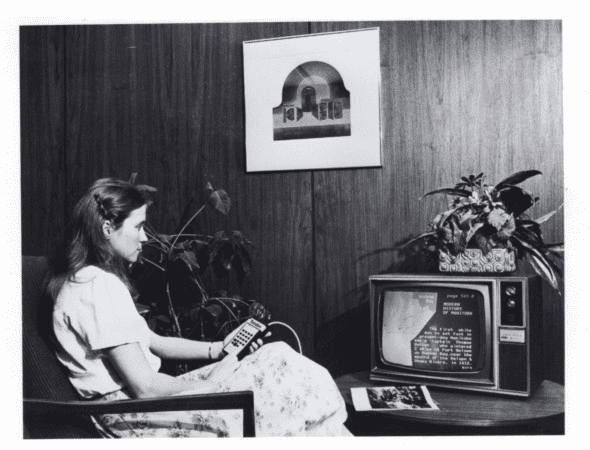
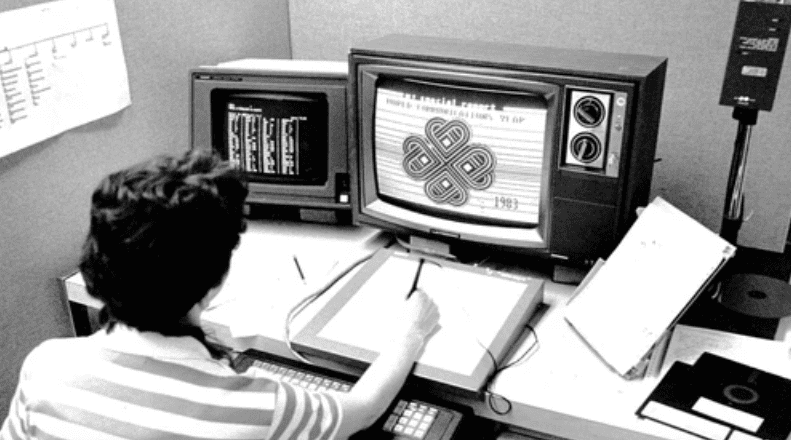
- Offering Online Services: The strategy included selling or renting Nabu home microcomputers, allowing Ottawa families to use their TVs as monitors for accessing programs and data. Subscribers to Nabu packages gained access to a wide range of financial and educational programs, video games, news, sports updates, and weather information.
One unique feature of Nabu was its bidirectional communication enabled by Telidon, a videotext and teletext service developed by the Canadian Communications Research Centre. This allowed users to perform banking transactions, shop online, access email, and store data remotely.
Network Services in Ottawa
Nabu launched its network services in Ottawa on October 26, 1983, but initially only for residents west of Bank Street (serviced by Ottawa Cablevision).
The costs at the time may interest modern readers:
- A Nabu home computer cost $950.
- Rental options were available for $19.95 per month, plus an additional $9.95 monthly fee for Nabu software.
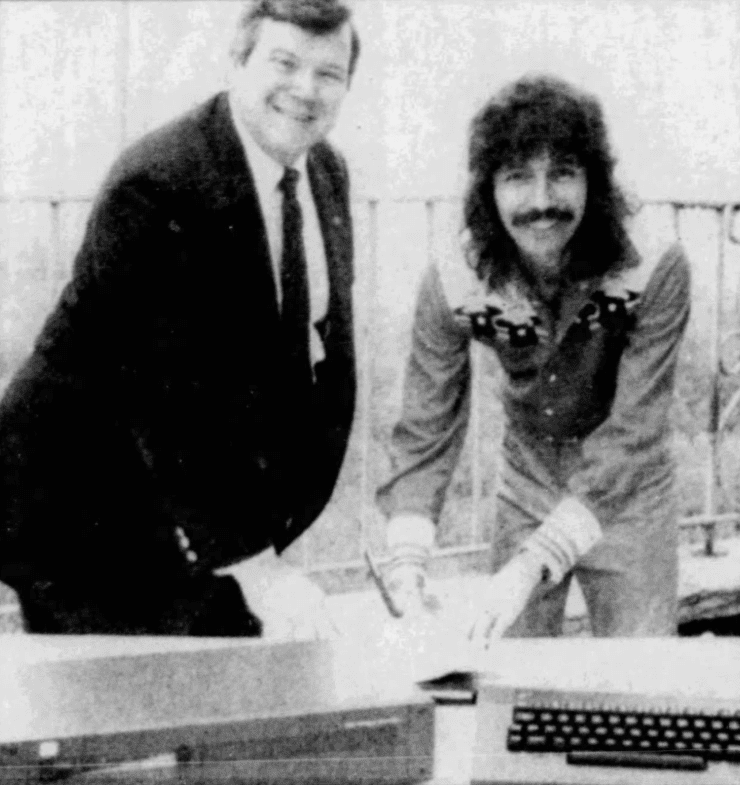
By 1984, residents east of Bank Street could also access these services. That spring, Nabu hired Thomas Wheeler, former president of the National Cable Television Association in the U.S.
The “Nabu” Line Falls Short of Expectations
Despite a sound business strategy, Nabu failed to meet its goals. The business computer line was unsuccessful, prompting a corporate restructuring in October 1983. This led to the creation of two separate entities: Nabu Network Corporation and Computer Innovations. The latter soon folded, while Nabu Network Corporation continued its struggle.
By the end of 1984, Nabu had only about 1,500 subscribers in the Ottawa area and 700 in Alexandria, Virginia. These numbers were insufficient for the company to remain viable in the highly competitive home computer market.
Closure of “Nabu”
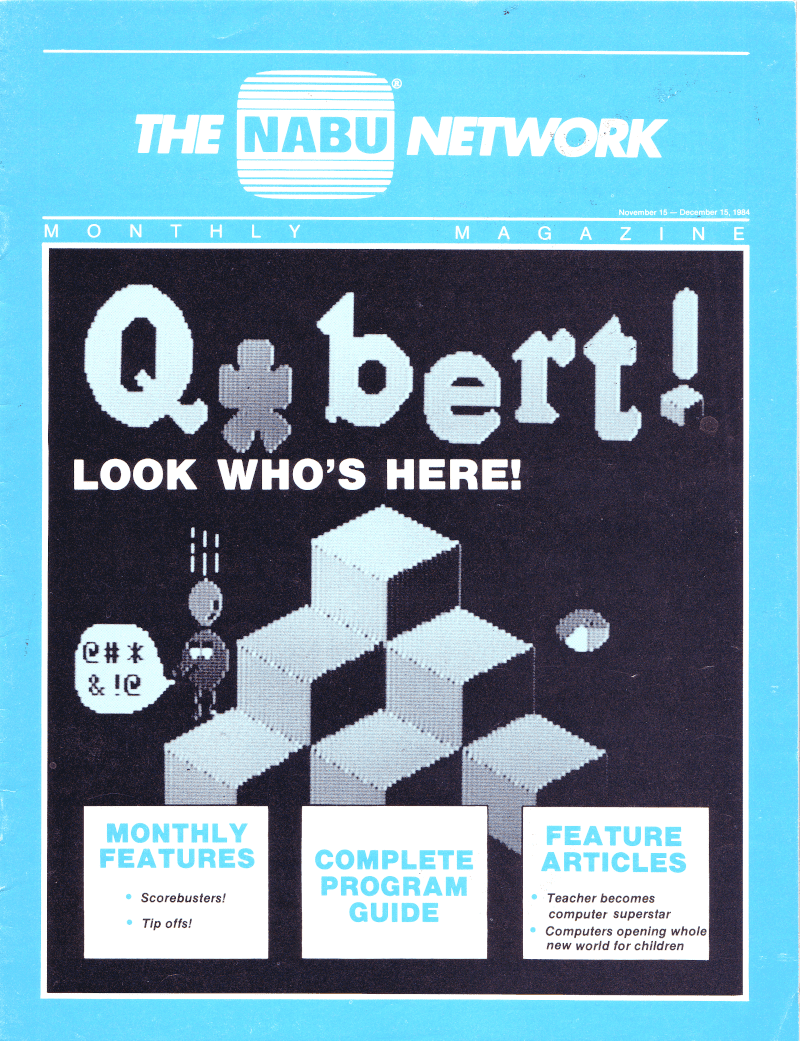
In November 1984, Nabu shut down. The company’s primary shareholder and largest creditor, Campeau Corporation, which had invested over $25 million in Nabu, refused to provide further funding. Employees were laid off, trading in the company’s shares was suspended, and in January 1985, Nabu was delisted from the stock exchange.
As of September 1984, financial reports showed assets of $4 million against liabilities of $30 million.
One last effort to revive the company occurred in 1984, when founder John Kelly created a private enterprise called NABU Network. This entity offered licensed software and video games to Ottawa subscribers and employed 30 former Nabu staff members. However, after an 18-month struggle, the network permanently ceased operations in August 1986.
Reasons for Failure
In 1986, founder John Kelly attributed Nabu’s failure to being “ahead of its time.” Other contributing factors included a downturn in the home computer industry and financial difficulties. At the time, few households owned home computers, which were considered expensive toys. While public perception later shifted, making home computers essential, Nabu did not survive long enough to benefit.
A notable comparison is America Online (AOL), launched in the U.S. in 1989. Despite offering inferior services compared to Nabu, AOL achieved remarkable—if short-lived—success.

Reconstructing “Nabu”
In 2005, York University’s Computer Museum announced a program to reconstruct the Nabu network, including an online collection documenting the company’s technology. The museum officially unveiled its version of the network in 2009, with Nabu’s former president and CEO John Kelly as a guest.
In the summer of 2010, development began on a Nabu network software emulator. Motivated by the network’s historical significance and the limited portability of the YUNN system, the project gained support from former employees Bob McNelly and Leo Binkowski. After thorough testing, the emulator is expected to be available for PCs and mobile platforms.