

The introduction and popularity of electric scooters in Ottawa can be attributed to global trends towards micromobility and eco-friendly transportation options. Moreover, electric scooters provide a fast and convenient means of transport for short distances.
Electric scooters were introduced in Ottawa in 2020 as part of a pilot project. Ottawa Future delves deeper into this topic.
Launch of the Pilot Project
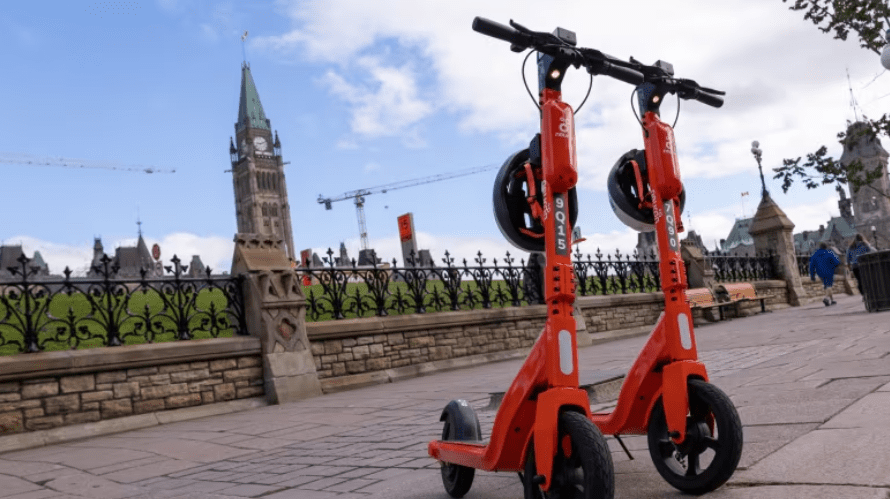
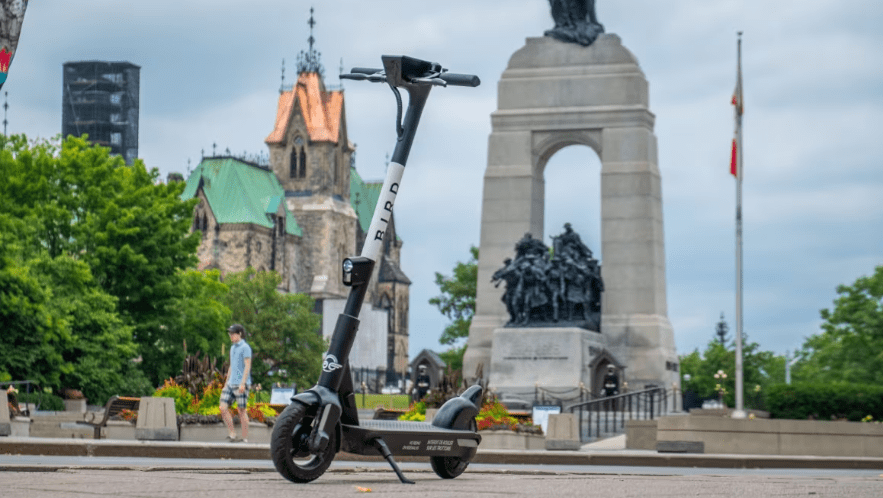
The project started on January 1, 2020. Ottawa chose two electric scooter providers: Bird Canada Inc. and Neuron Mobility.
Ontario set out the following rules at the beginning of the pilot project:
- Maximum speed of 24 km/h: This limit was set to ensure the safety of both users and pedestrians.
- Age restrictions: The minimum age is 16, a standard for many cities, as younger teenagers may not have the maturity to handle such vehicles safely.
- Prohibition on carrying cargo or passengers: These rules help avoid overloading the eco-friendly transportation mode, reducing the risk of accidents.
- Helmet requirement for minors: This measure is especially critical as minors are more likely to be involved in accidents.
- Mandatory sound signals and lighting: These are essential safety features for scooter operation.
Parking Guidelines
Proper parking of electric scooters is the responsibility of the rider and a sign of respect for others in the city. By following simple guidelines, scooter usage can be safer and more comfortable for everyone.
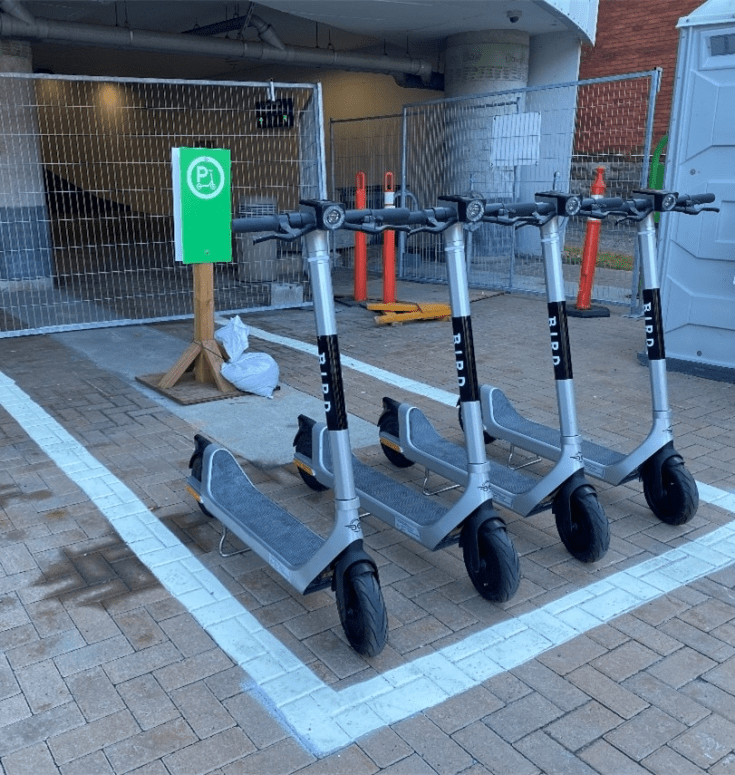
Scooters must be parked vertically or in designated areas. Riders can look for marked areas or designated signs indicating parking spots for electric scooters. Additionally, providers offer apps with permitted parking locations, simplifying the search.
Parking is allowed only in furnished sidewalk zones that are at least 2 meters wide. This means riders cannot leave scooters on roadways, grass, or in pedestrian areas.
Improper parking can result in fines, and in some cases, the rider’s account may be blocked. In some instances, scooters may be towed to an impound lot. Such rules are critical; unlike shared bicycles, scooters are not bound to a specific docking station, which at times led to them being scattered across the city.
Future Plans and Changes
The year 2024 marks the fifth and final year of the pilot project. The season started a month earlier than in 2023—on April 15—and ended on November 15. Plans include expanding Ottawa’s fleet to 900 scooters, with potential growth to 1,200 units.
In 2024, some rules were updated, requiring a closer look at each change:
- Extended riding hours: Scooters are now available from 5:00 AM to 1:00 AM, two hours longer than in 2023. However, after 11:00 PM in the ByWard Market area, rides can only be ended, not started, due to the high concentration of bars. Interestingly, only Ottawa restricts scooter usage by time, while other Canadian cities allow 24/7 use.
- Restricted areas: Riding along the Rideau Canal or Ottawa River pathways is prohibited, as this land belongs to the National Capital Commission.
- Sobriety test requirement: Since 2024, riders must pass an app-based sobriety test after 11:00 PM to use the scooters, encouraging serious planning for future trips.
- Speed restrictions: The maximum speed has been reduced to 20 km/h from 24 km/h in 2020, with a 12 km/h limit in “slow zones.”
- Behavior monitoring: Scooter providers may send warnings via email for unsafe driving behaviors (frequent braking, sharp turns, etc.), potentially leading to usage bans.
It’s also worth mentioning that city officials issue fines for sidewalk riding, with 2024 fines reaching $150.
Common Violations
Bird Canada Inc. and Neuron Mobility have analyzed rides over the five years of the pilot project, identifying trends and common issues in Ottawa. The most popular areas for scooter usage include Centretown, Sandy Hill, and the ByWard Market.
Representatives from both companies reported that the main complaint from Ottawa residents is improper parking. Scooters are equipped with geofencing technology, alerting riders about parking guidelines and sidewalk restrictions, though unfortunately, not all users follow these requirements.