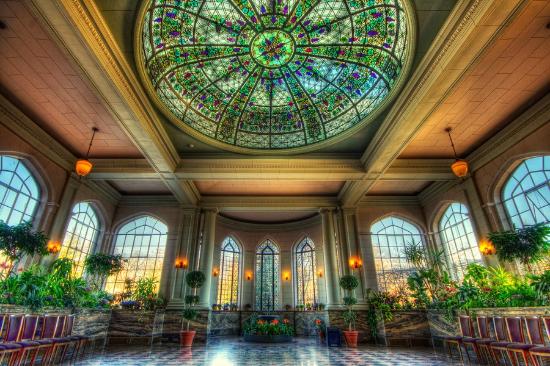

Palaces and ancient fortresses intrigue and captivate travelers. Historic castles consistently rank among the “top” sites tourists wish to visit first. Why? The answer is simple—it offers a chance to step into an entirely different era, to see with one’s own eyes these unique buildings, each radiating a special energy. Ottawa Future will take you through such castles located in Ottawa.
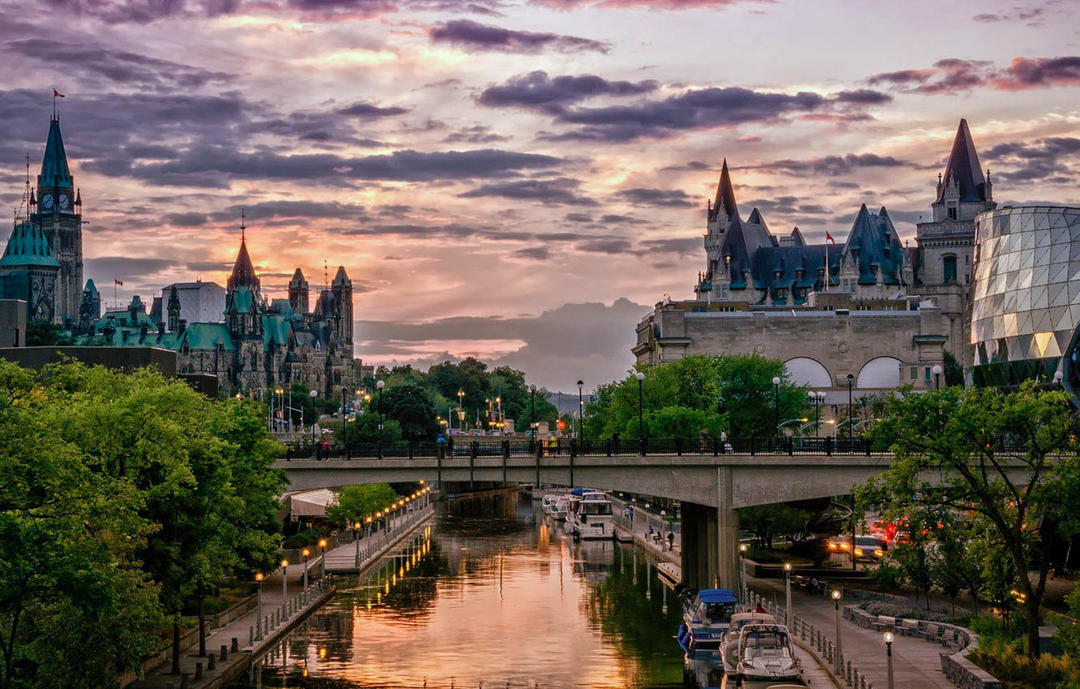
Château Laurier
This is a hotel and architectural landmark in central Ottawa, known as Laurier Castle, designed in the “château” style. The castle is situated at the intersection of Rideau Street and Sussex Drive, right in the heart of the city.
Undoubtedly, this is a striking and vibrant landmark worth seeing in person. The castle is owned by the Fairmont company. It was built in the early 20th century and named after Prime Minister Wilfrid Laurier.
One interesting fact is that the wealthiest and most famous guests eagerly anticipated the hotel’s opening, some even arriving from the famous Titanic.
What makes the castle unique? First and foremost, its architecture. Château Frontenac in Quebec, Canada, was designed in a similar château style. Château Laurier stands out with its elegant towers and French château-style elements.
Though the hotel initially enjoyed immense popularity (through the late 1960s), it declined as new hotels were built. After extensive renovations in the 1980s, the castle was restored. Numerous stars and celebrities, including political figures, have stayed there. The castle is informally known as the “Third Chamber of Parliament” due to its role in hosting public events and political gatherings.
Among Ottawa hotels, this building holds the top spot, with 429 rooms in total. Visitors can certainly feel a unique, historic atmosphere due to the presence of antique furniture, unique paintings, and luxurious carpets.
The castle’s windows offer stunning views of the Rideau Canal and Parliament Hill. Traditional and European cuisine, a fitness center, and a pool add to the experience at this landmark.
Dundurn Castle Villa
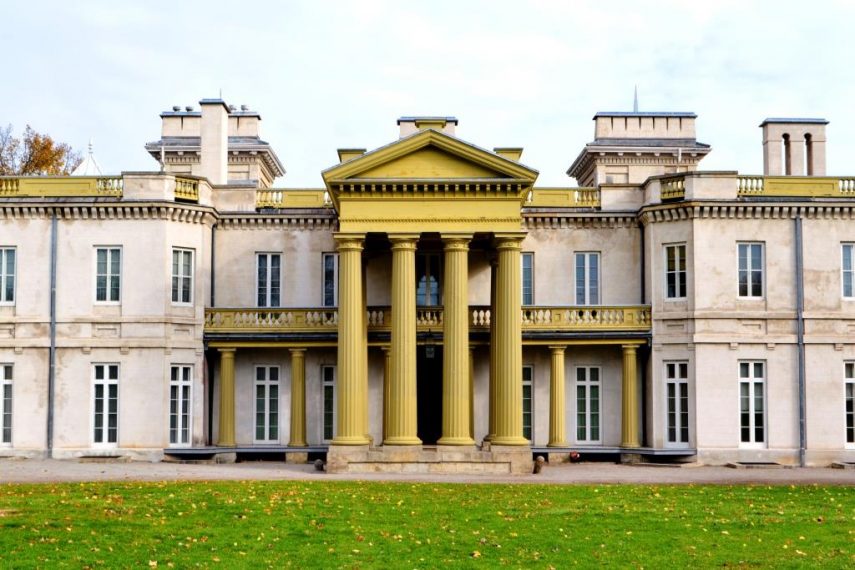
This remarkable villa was built in the Italian style in the 1830s. Historically, it was initially a military camp established in 1813, which also influenced the building’s exterior.
The villa was owned by a railway tycoon and lawyer, Sir Allan Napier MacNab, who introduced numerous changes to the house’s interior and architecture, making the castle even more grandiose. Sir Allan lived in the castle with his family, with the wealthier residents occupying the upper floors and the servants the lower ones. The building’s history is indeed fascinating and captivating.
Regardless of the season, themed events and tours are held at the castle, each one special due to its atmospheric setting.
Kilbride Castle
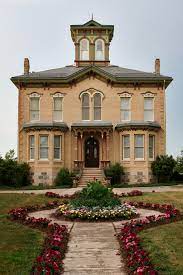
This historic site serves as a testament to the traditions and dedication of those who worked to preserve the castle’s ambiance to the present day. Kilbride Castle is a spacious house built in the Victorian style in 1877, owned by the prominent politician and entrepreneur James Livingston. He was born in Kilbride, Scotland, which is how the castle got its name.
During the planning of the house, the Italian style played a significant role. The exterior impressed visitors with its impressive design and panoramic views. The interior received special attention from the owners, featuring an interior design element known as trompe-l’œil, a French phrase meaning “deceive the eye.” This illusion creates a three-dimensional effect on paintings. For example, from a distance, a beautiful, expensive vase appears to be in the room, but upon closer inspection, it turns out to be just a well-rendered image on the wall.
The Livingston family owned the estate for three generations (until 1988). Eventually, the house was sold due to financial difficulties. While the furniture and numerous works of art were auctioned (over a four-day event), the house itself was saved from oblivion. Today, it is a national historic landmark attracting tourists. Citizens who acquired valuable items at auction agreed to return them, restoring the interior and ambiance of the place.
Pinhey’s Point Historic Site
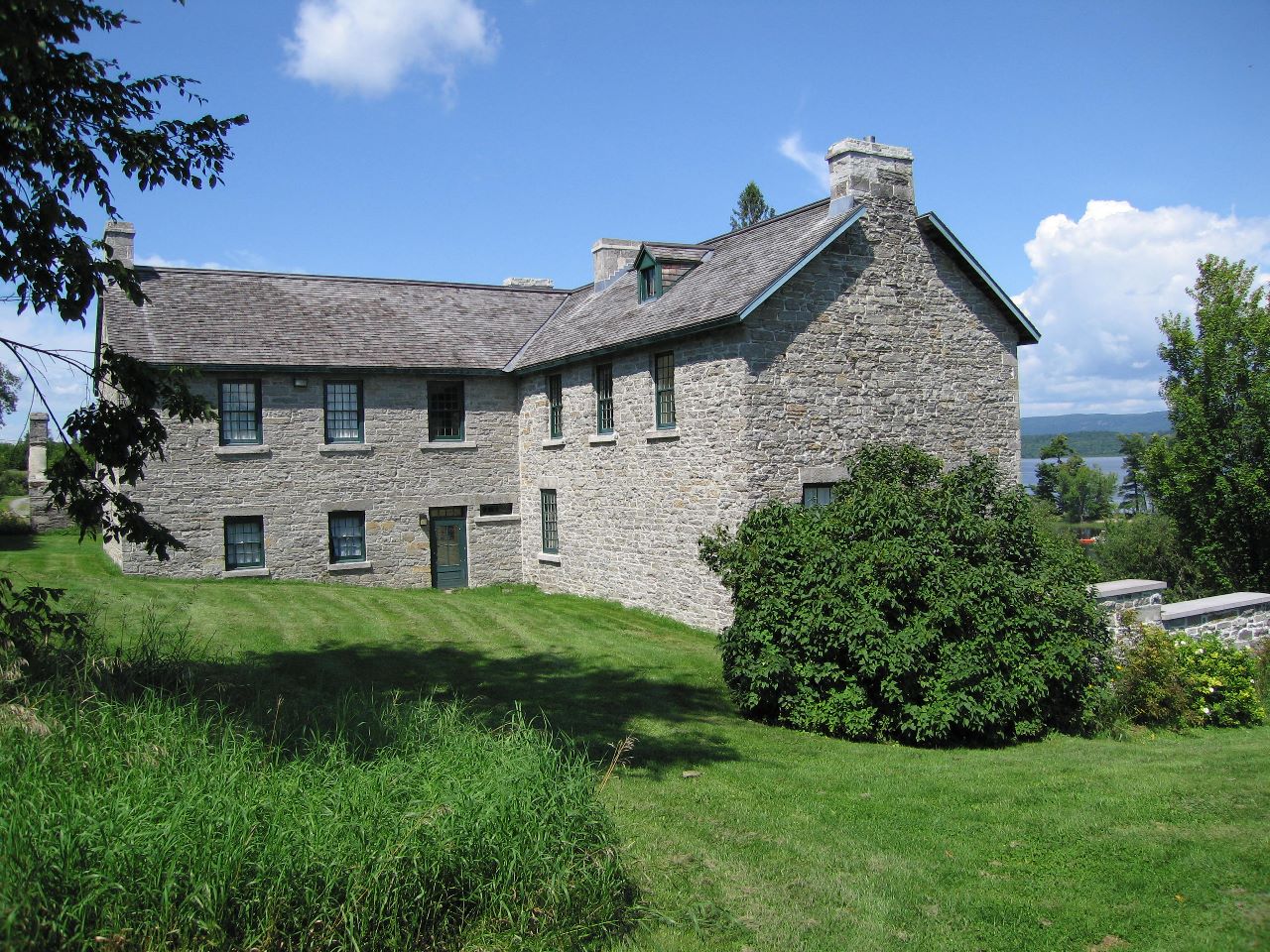
This castle, over 200 years old, impresses with its history. It is an outstanding example of Ontario’s cultural and historical heritage. The castle sits on the shore of the Ottawa River, requiring a planned trip of about 40 minutes.
What will a tourist find? A breathtaking castle that embodies the spirit of a past era, rich in atmosphere and surrounded by ruins. This is a place worth visiting. In addition to the stone ruins, it features enchanting landscapes, historical buildings, and green hills. Altogether, these elements make the old castle and its grounds one of Ottawa’s most picturesque spots for a well-deserved rest.
Here are some interesting facts about this place:
- The castle attracts fans of historical sites and cyclists and those who enjoy water activities like boat trips.
- The first owner of this grand estate was Hamnett Kirkes Pinhey, a British immigrant awarded a large plot of land for his military service. He built the castle named Horaceville.
- Tourists and locals appreciate this place for its natural setting, making it a popular spot for picnics amid the castle’s expansive farmlands.
- Every season, the castle hosts themed tours, vibrant and engaging events, including active recreation such as canoeing, historical tours, and children’s activities.
- The castle is also rented out for weddings, birthdays, and other celebrations. After all, who wouldn’t want to feel like royalty and get married in a real castle? It’s a highly sought-after venue.
Why Visit Ottawa’s Castles?
Ottawa’s ancient castles are sights worth experiencing in person. Visiting them allows one to step back in time, with many buildings well-preserved to this day. Both the castles and their surrounding landscapes radiate a unique energy.
Castles are steeped in mysteries, fascinating stories, mysticism, and secrets, attracting new travelers like a magnet.