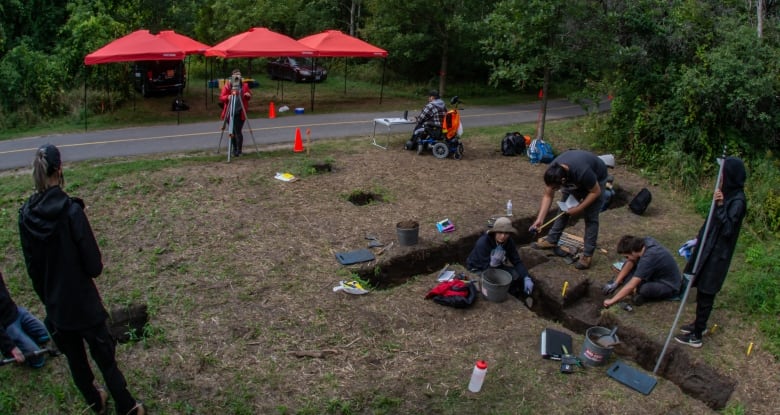

Archaeology is an incredible science that allows people today to uncover the history, culture, and lifestyle of those who came before. Ottawa Future will share a small part of this history, telling the story of the ancient artifacts found in this region.
5 Significant Discoveries in the Capital
- Otter Creek Point, estimated to be 5,500–6,000 years old, was found in Leamy Lake Park. What did this find reveal to archaeologists? Primarily, it confirmed that early inhabitants of the region were part of the Laurentian Archaic culture.
- Another valuable discovery from this park is a polished slate pendant, an estimated 1,500–1,200 years old. It is a rare piece of personal adornment—a necklace pendant with a long history. Its creation involved shaping a small, thin slate sheet into a rectangular form. Beneath the drilled hole are slight indentations, indicating that the drilling wasn’t perfect on the first attempt.
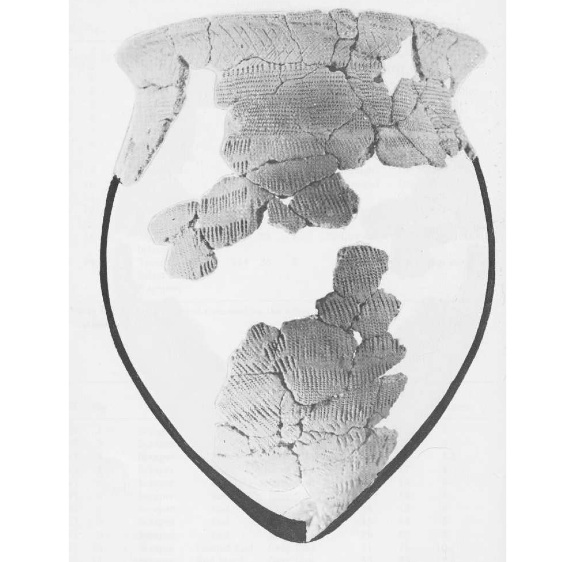
- Clay Vessel: Over 600 years old, this artifact was also discovered in Leamy Lake Park. The vessel, reconstructed from fragments, may have been retrieved from the riverbank along the Ottawa River, which served as a primary transportation route. The shape and decoration of the vessel resemble pottery typical of the Huron people from south-central Ontario. This find emphasizes Ottawa’s role as a crucial transportation hub.
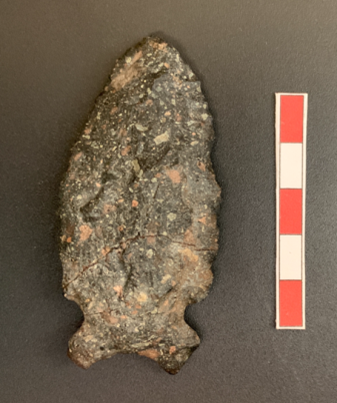
- Adena Point: Approximately 2,500–3,000 years old, this artifact was found in Vincent Massey Park. It is a projectile point shaped in a distinctive style associated with the Adena culture. This find illustrates the material culture of the time and provides insight into a pre-contact trading network involving the Anishinaabe, ancestors of the Algonquin people.
- Florida Water: An intriguing find from around 120–130 years ago, discovered on Victoria Island. Its story involves lavender water and cologne produced for Europeans, with bottles of such fragrances becoming rare over time. The preservation of one of these bottles is a stroke of luck, making it a piece of exceptional significance.
Ancient Ottawa
It may seem that Ottawa’s history began in the 1800s, during the height of the logging boom and the construction of the Rideau Canal. However, ancient civilizations thrived here long before. These artifacts represent a fascinating piece of the area’s rich history.
Constance Bay – Lost Relics
Here are a few examples of ancient remnants found in Canada’s capital:
- 2,000-Year-Old Knife: Discovered near Ottawa, this stone tool resembles artifacts typical of Ohio, USA, indicating that the region was accessible to visitors even then;
- Ancient Pottery from the Luskville Cliffs and Forged Copper Weapons: These items, found near Pembroke, reveal a historic trade network that connected Ottawa to distant regions;
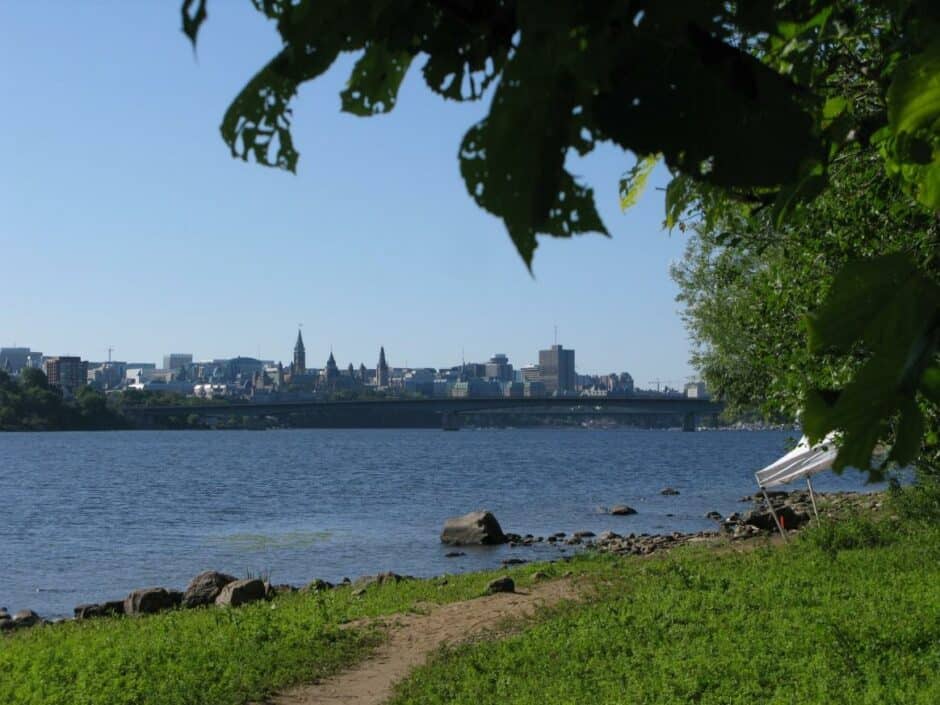
- Petroforms Discovered in 1970: These ancient rock formations, located in Constance Bay, are over 500 years old. This find not only adds to the list of artifacts but provides a glimpse into the discovery process itself.
The Discovery of Ancient Petroforms
While building a cottage on the Ottawa River, objects were uncovered that led to a 1970 archaeological report, confirming that this area held unique significance. Some examples of what was found during the excavations include:
- Pottery shards;
- Copper fragments;
- Galena;
- Stone tools;
- Bones and mica.
Archaeologists estimated the finds to be over 490 BCE, a period when Middle Woodland tribes settled along water routes, in what are now Ontario and Quebec.
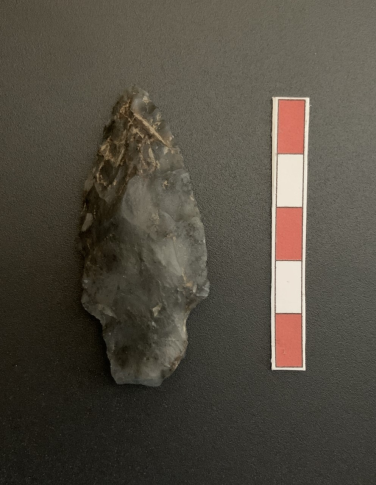
Ancient Monuments at the Edge of Constance Bay
Numerous artifacts have been found about 40 km west of Ottawa, where Constance Bay meets a creek. Highlights include:
- Bayonets and Cannons from the 17th Century: Unearthed in the area;
- Marked Ceramics: Used historically for making household items;
- Stone Arrangements: Archaeologists concluded that one site may have been a burial area, indicated by the presence of mica dust and red ochre—materials traditionally used in burials. Organic remains were also found at the site.
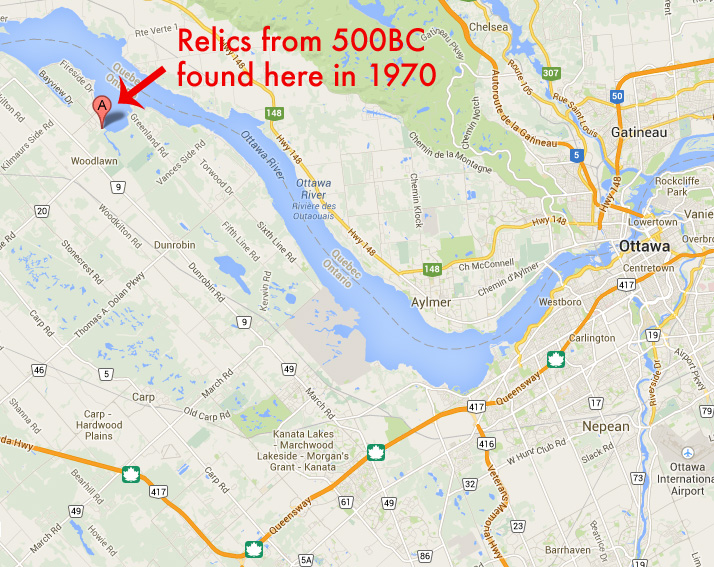
Archaeological Landmarks in the Ottawa Valley
Thanks to these artifacts, archaeologists are piecing together Ottawa Valley’s past. These discoveries shed light on the ancient history of the region, enabling us to learn about the Indigenous peoples who lived here over 8,000 years ago, before European contact. What were their lives like? What were their customs? What occupied their daily lives? These questions are answered thanks to the dedicated work of archaeologists.
Even the imperfections and minor flaws found in the artifacts tell us something significant: history isn’t just about the objects themselves, but about the people who made them.
History, archaeology, and artifacts work together like a well-oiled machine, helping us reach a common goal. What is this goal? It’s to understand the past, our ancestors, and what happened before our time. By doing so, we can share, tell, and, in this case, show it to future generations.