

The capital of Canada is a vibrant city founded in 1850 with a fascinating history of creation, featuring numerous historic buildings that blend harmoniously with modern architectural structures. The city also has beautiful green spaces, parks, and squares. Ottawa, an ultramodern city, is especially attractive to tourists as it embodies the blend of both French and English cultures. Read more at ottawa-future.com.
National Gallery of Canada Building
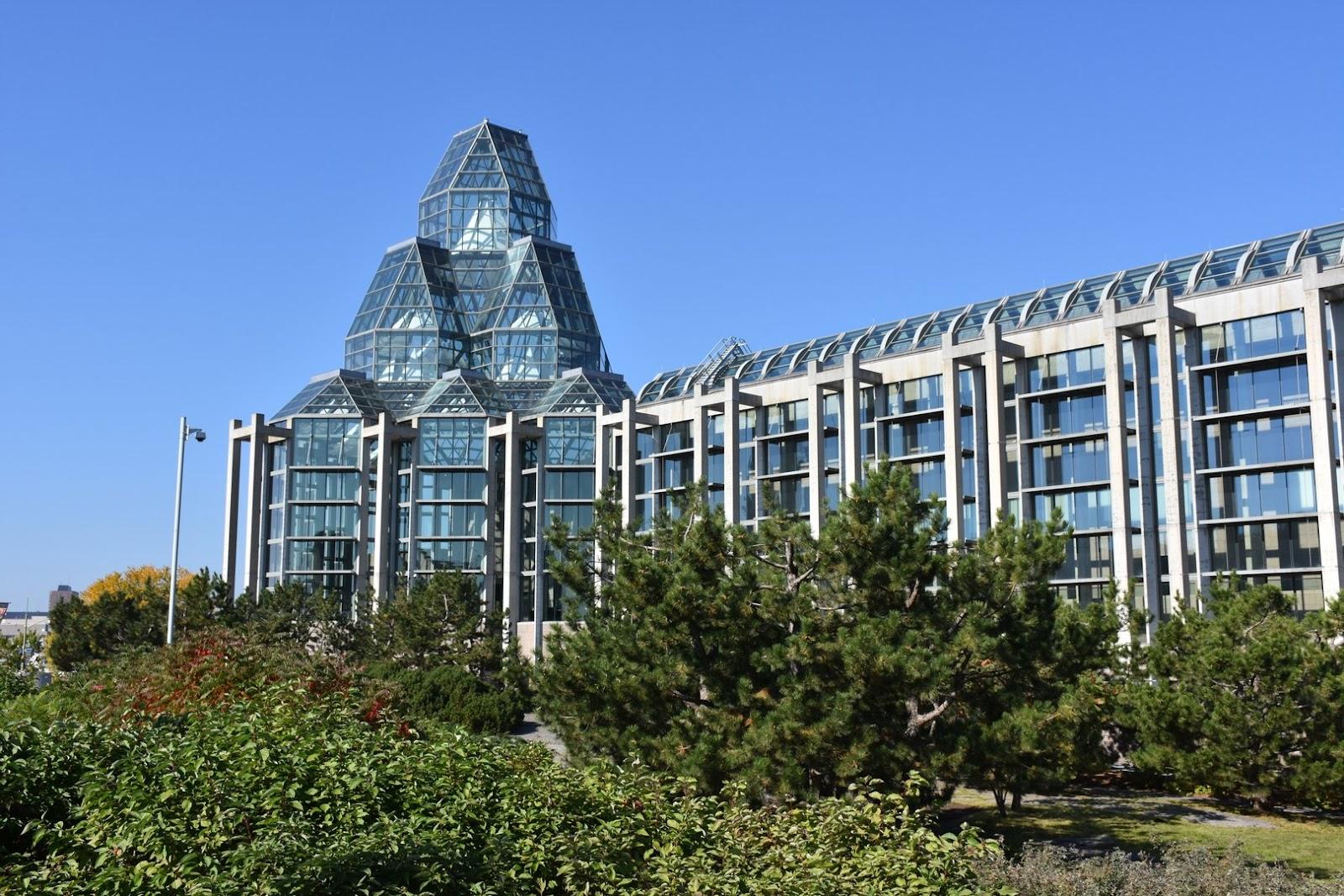
This gallery is a unique and bold architectural project designed by an Israeli-Canadian architect, featuring fascinating pyramid-shaped glass forms. The building was specially constructed to allow soft, diffused light to enter the interior spaces, creating a dynamic play of shadows over the exhibits. Inside the gallery, visitors may feel as though they’re in a kaleidoscope. This effect is achieved through the open and transparent space of the national gallery.
Canadian Museum of History
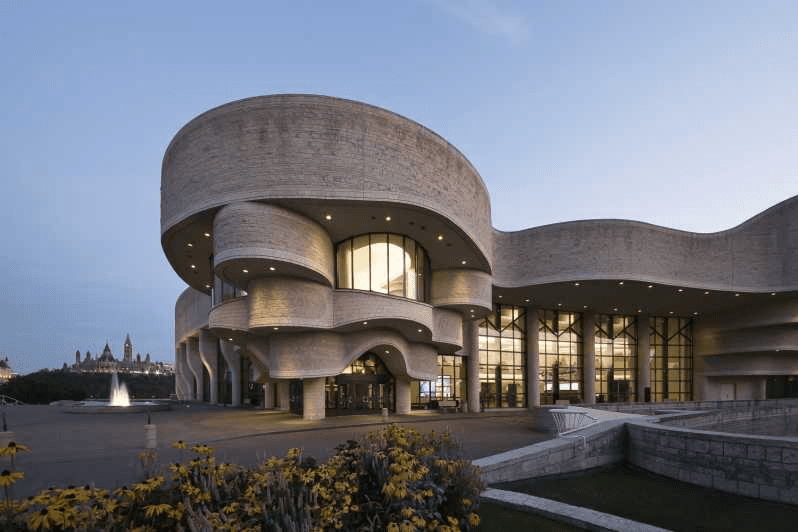
Ottawa is rich in historical structures and unique architecture, including the Canadian Museum of History. Besides its fascinating architectural form, the interior is equally impressive, featuring an IMAX theater and a separate children’s museum.
According to legend, the architect who designed the museum was Douglas Cardinal, a figure with deep Canadian roots. The building’s unique architectural design symbolizes the local landscape: rivers and expansive valley spaces. Its structure evokes numerous memories of Ottawa’s landmarks and Canada’s natural beauty. Architectural features include references to the Canadian Shield’s iconic rock and a cascading glass wall in the exhibition hall that resembles a glacier.
Beyond its architecture, the museum offers stunning views of Parliament Hill in central Ottawa. Inside, unique artifacts tell the history of the region’s earliest inhabitants.
Canadian War Museum Building
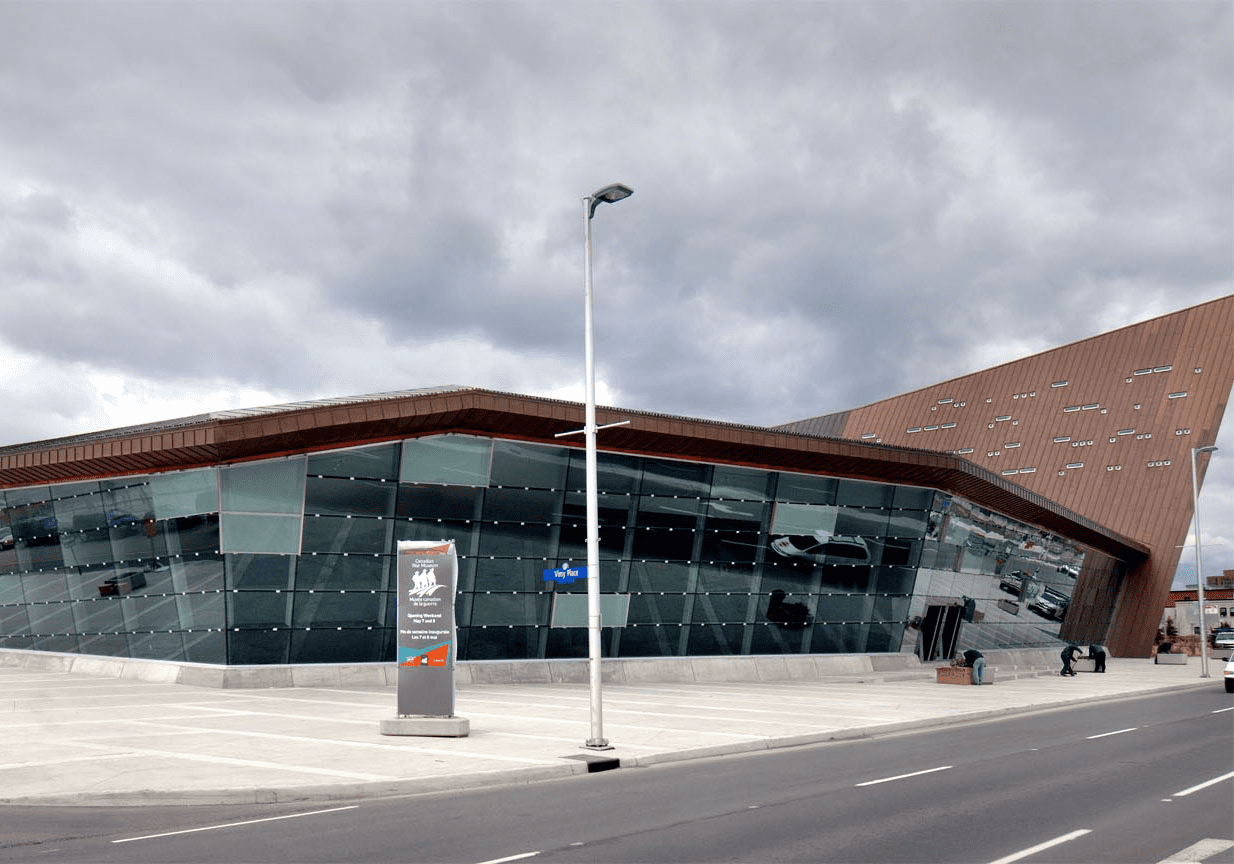
Another modern architectural marvel in Ottawa, the Canadian War Museum building, houses Canada’s entire military history.
The space is encased by textured concrete walls divided into rectangular shapes reminiscent of cemetery gravestones. Visitors experience a sense of Remembrance Day no matter the season.
A unique architectural feature is the commemorative moment each year on November 11 at 11:00 a.m., when sunlight passes through a window to fully illuminate the tombstone of Canada’s Unknown Soldier, relocated from a military cemetery to the museum.
Office of the Prime Minister and Privy Council Building
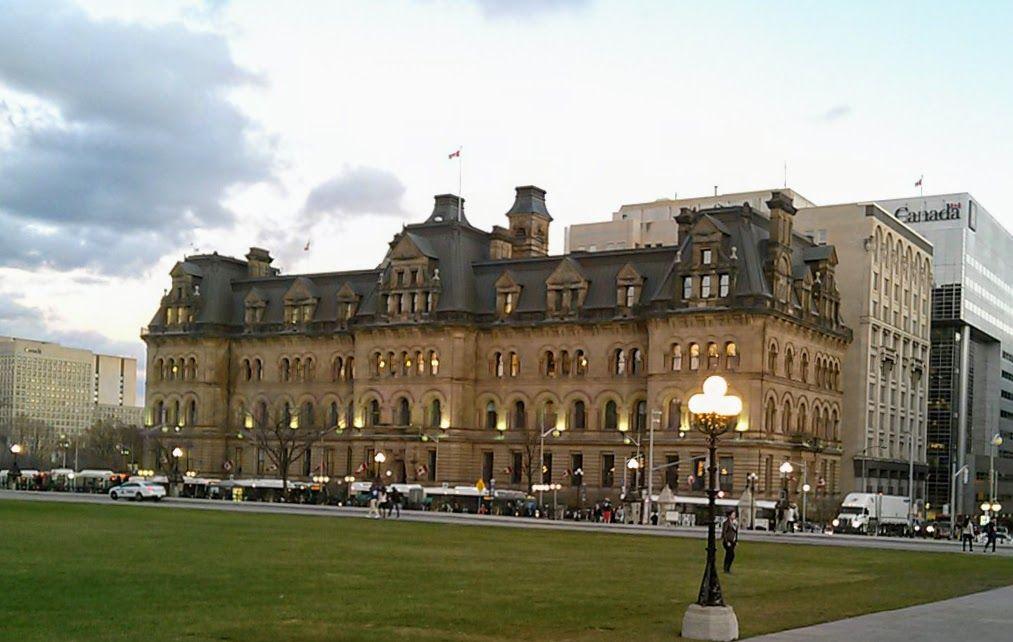
This federal government building, located in the heart of Ottawa, was constructed in 1889. It features a monumental facade with distinct architectural grandeur.
Formerly known as the Langevin Block, this building was constructed in the Second Empire style between 1884 and 1889. Also referred to as Napoleon III style, this structure is known for its eclectic design and decorative art that blends elements of various historical styles. Using modern materials like iron frames and large glass windows, it became Ottawa’s first federal government office building located outside the Parliamentary precinct.
Castle Hotel
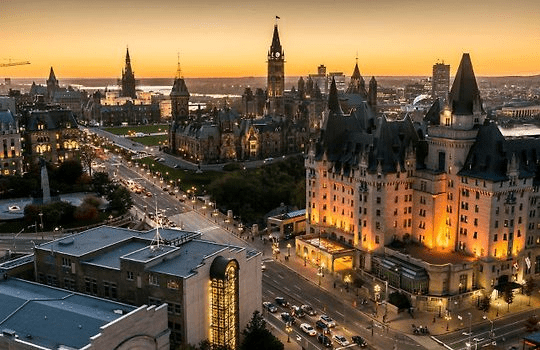
This luxurious hotel resembles a castle fit for a princess. Located in central Ottawa, it boasts a magnificent restaurant, bar, swimming pool, and gym. It is a popular wedding venue and a comfortable stop for relaxation.
The Château Laurier Hotel, completed in 1912 in château style, stands as one of the most iconic landmarks of Canada’s capital. This historic hotel-castle was built between 1909 and 1912 alongside Union Station, which stood on the opposite side of the street. Notably, the hotel and station are connected by a tunnel.
Former Union Station Building
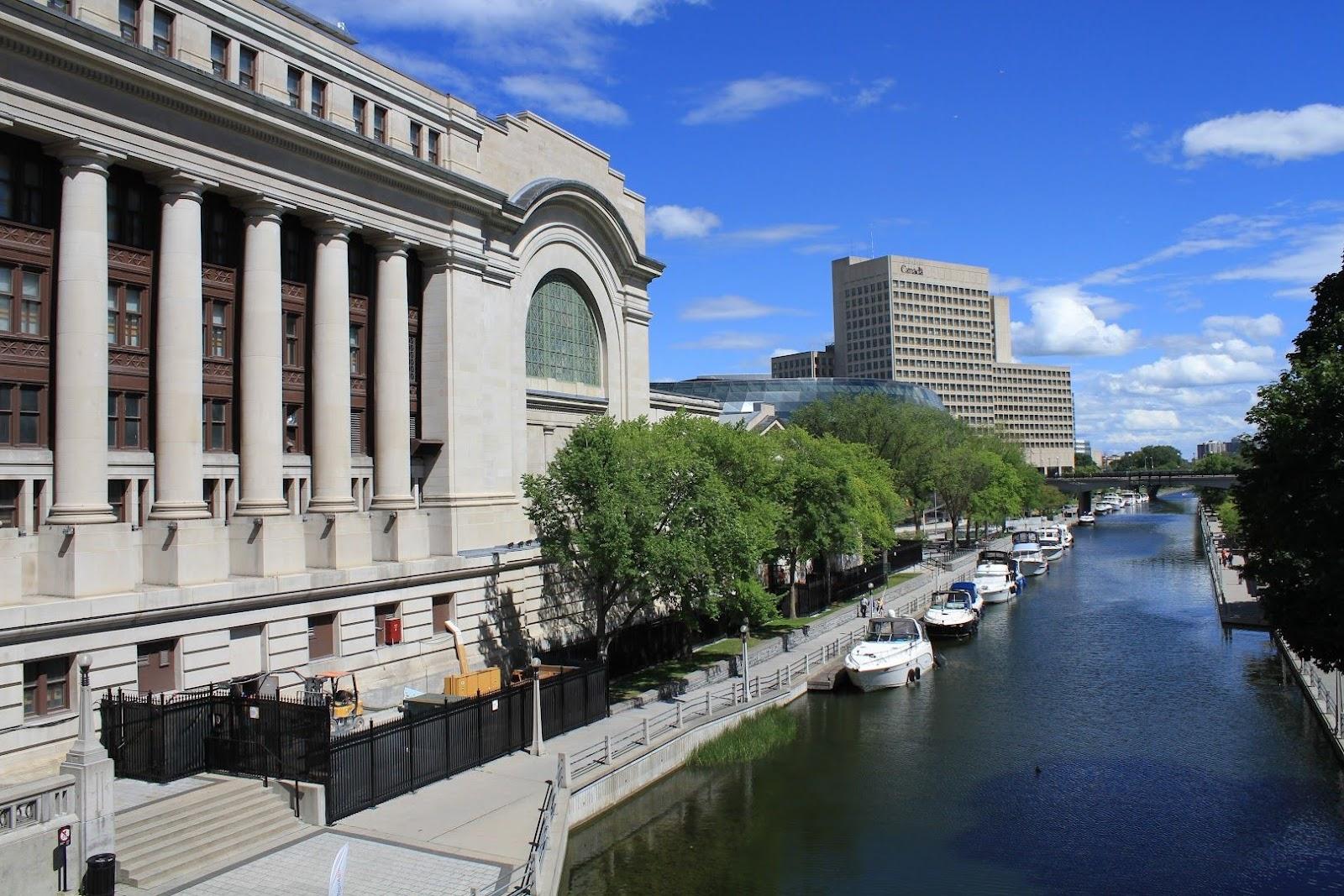
Built in 1912, this building initially served as Union Station, centrally located in Ottawa. When the government decided to protect the environment by moving rail lines outside the city, the historic building’s future was uncertain. Fortunately, it was preserved and repurposed as the Government Conference Centre.
Constructed in the Beaux-Arts style, the building’s design features Canadian iconography, creating new pavilions for conference halls in the former main hall of Union Station. The exterior retains the fresh eastern facade with a modern interpretation of columns and entablatures at the main entrance, making it a cherished piece of regional heritage.
Peace Tower
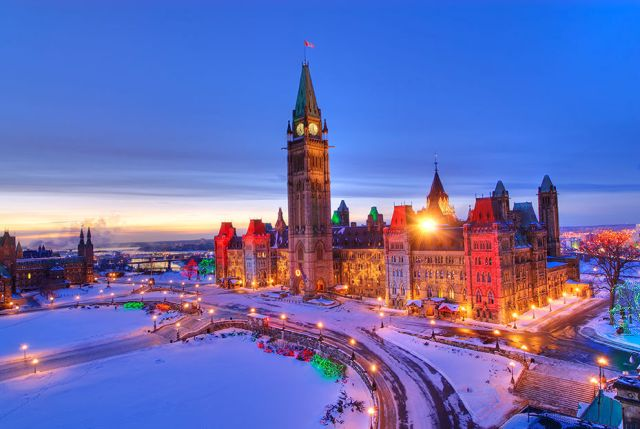
Ottawa’s Peace Tower, with its clock, resembles London’s Big Ben. Built in neo-Gothic style in 1920, it serves as both a clock tower and war memorial, adorned with gargoyles. The Peace Tower is also featured on the Canadian $20 bill.
Castle Museum Building
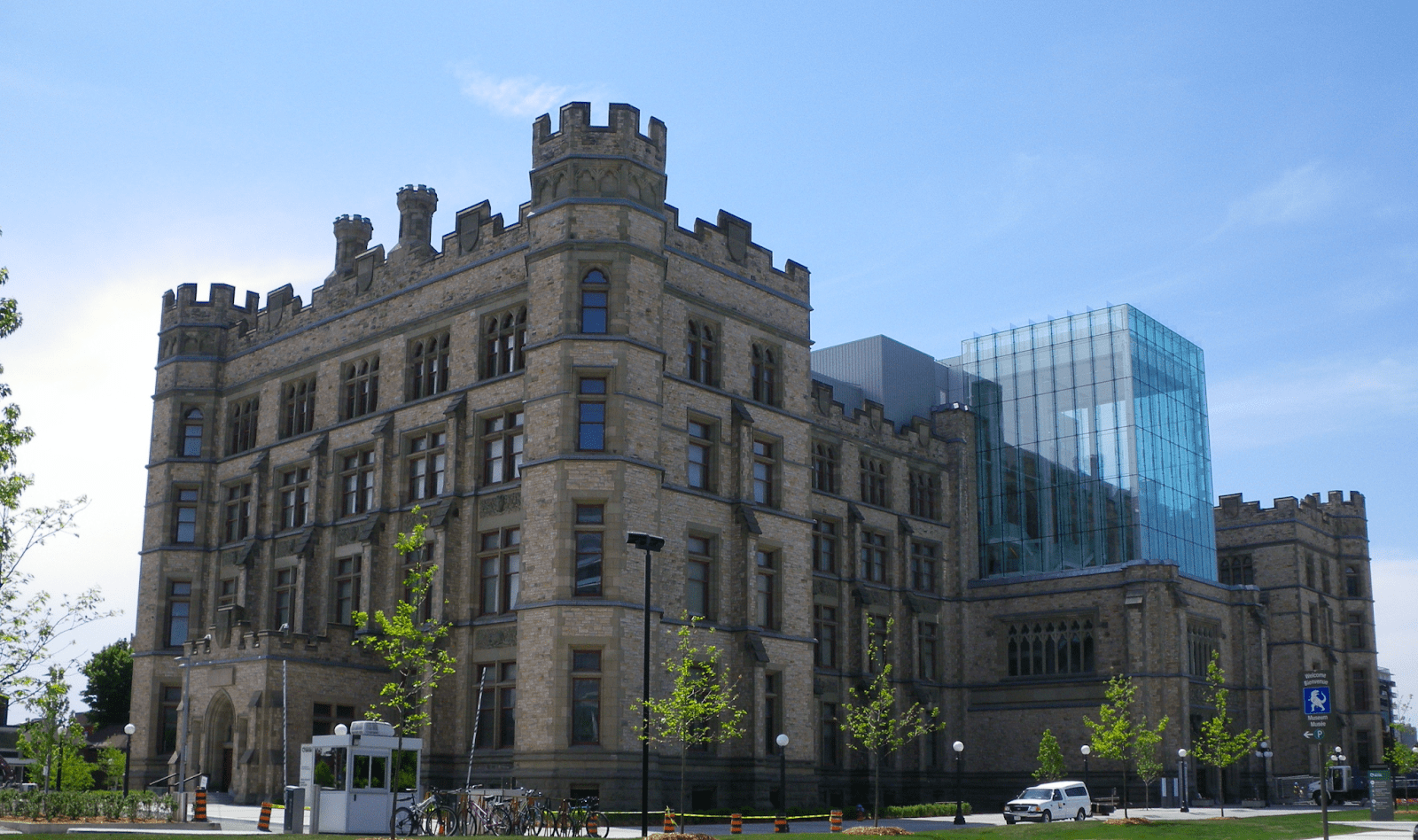
This unique museum, different from modern museum structures, features striking castle-like architecture. The Canadian Museum of Nature is housed here, built in 1910 in the Scottish baronial style. This impressive building, reminiscent of a castle, was designed by prominent architect David Ewart and named the Victoria Memorial Museum.
The museum showcases exhibits on fossils, insects, and dinosaurs.
Oldest Church in Ottawa
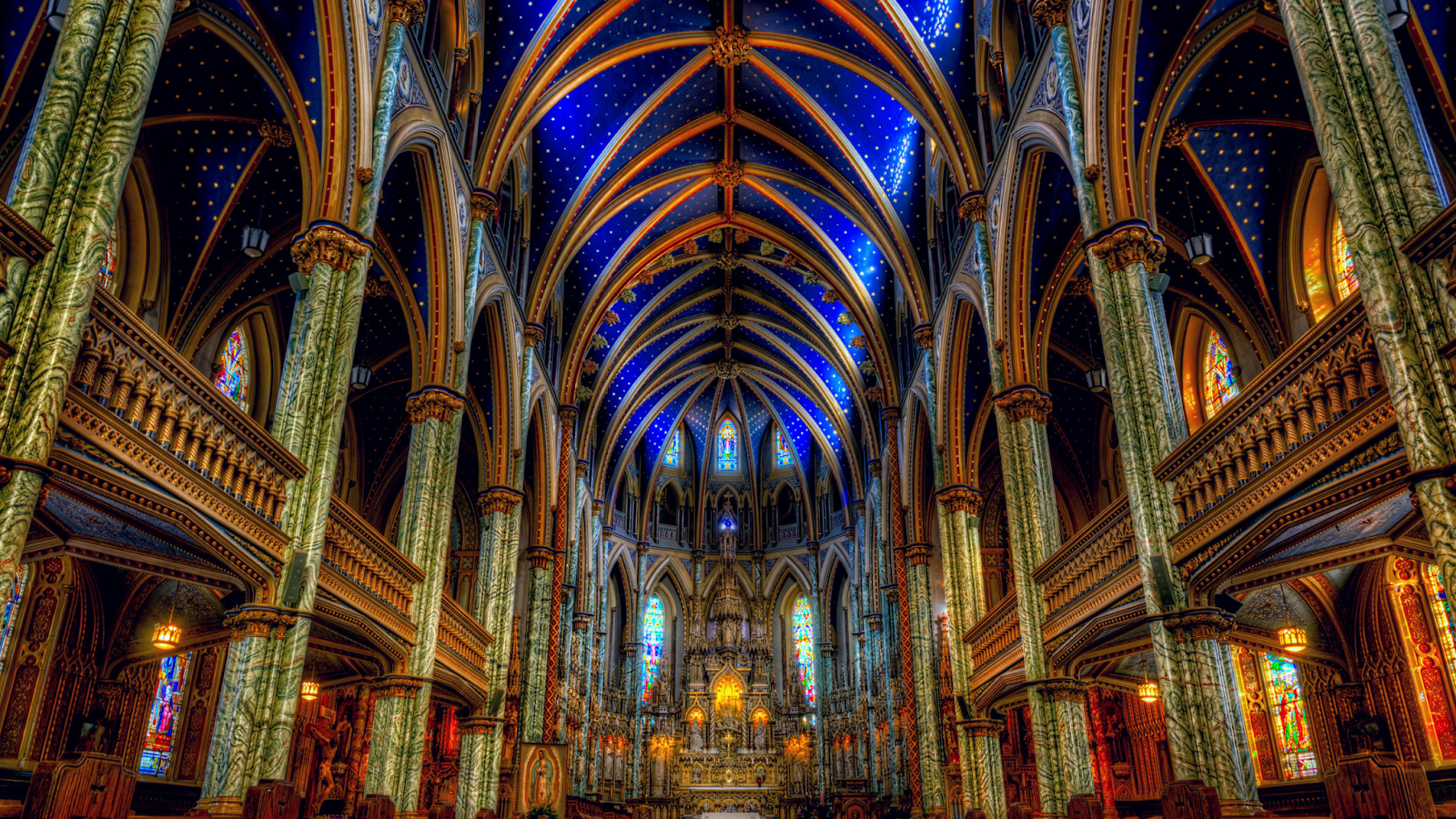
The Notre-Dame Cathedral Basilica is Ottawa’s oldest church, built in the 19th century. Its interior is vividly decorated, with spires visible from nearly every part of the city. Originally, the site housed Ottawa’s first Catholic church, St. James, made entirely of wood in 1832. It stood for many years before being replaced by the Notre-Dame Cathedral Basilica.
In 1978, Ottawa’s city council officially designated Notre-Dame Cathedral Basilica as a Canadian historic site.
Rideau Hall
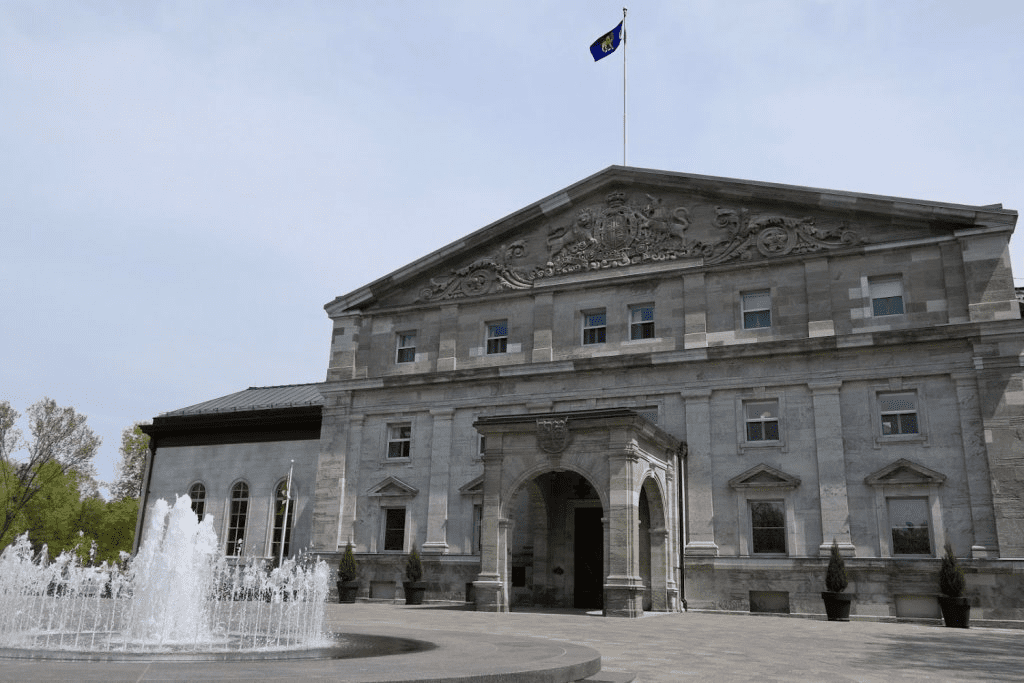
Built in the 1830s, Rideau Hall served as the official residence of the governor-general. Its surrounding grounds are as impressive as the building itself.
This stately mansion, the governor-general’s residence, evolved from a private villa owned by stonemason Thomas McKay. Later additions included new wings, and in 1913, a front entrance with a pediment and engraved Royal Coat of Arms was added.
The building’s architecture evokes English landscape style, with lush gardens around it.
Royal Canadian Mint Building
Constructed in 1908, the Royal Canadian Mint building took nearly seven years to complete. Its architecture resembles a royal castle, and it houses one of the world’s largest collections of coins and gold bars.
Ultra Modern Museum Building
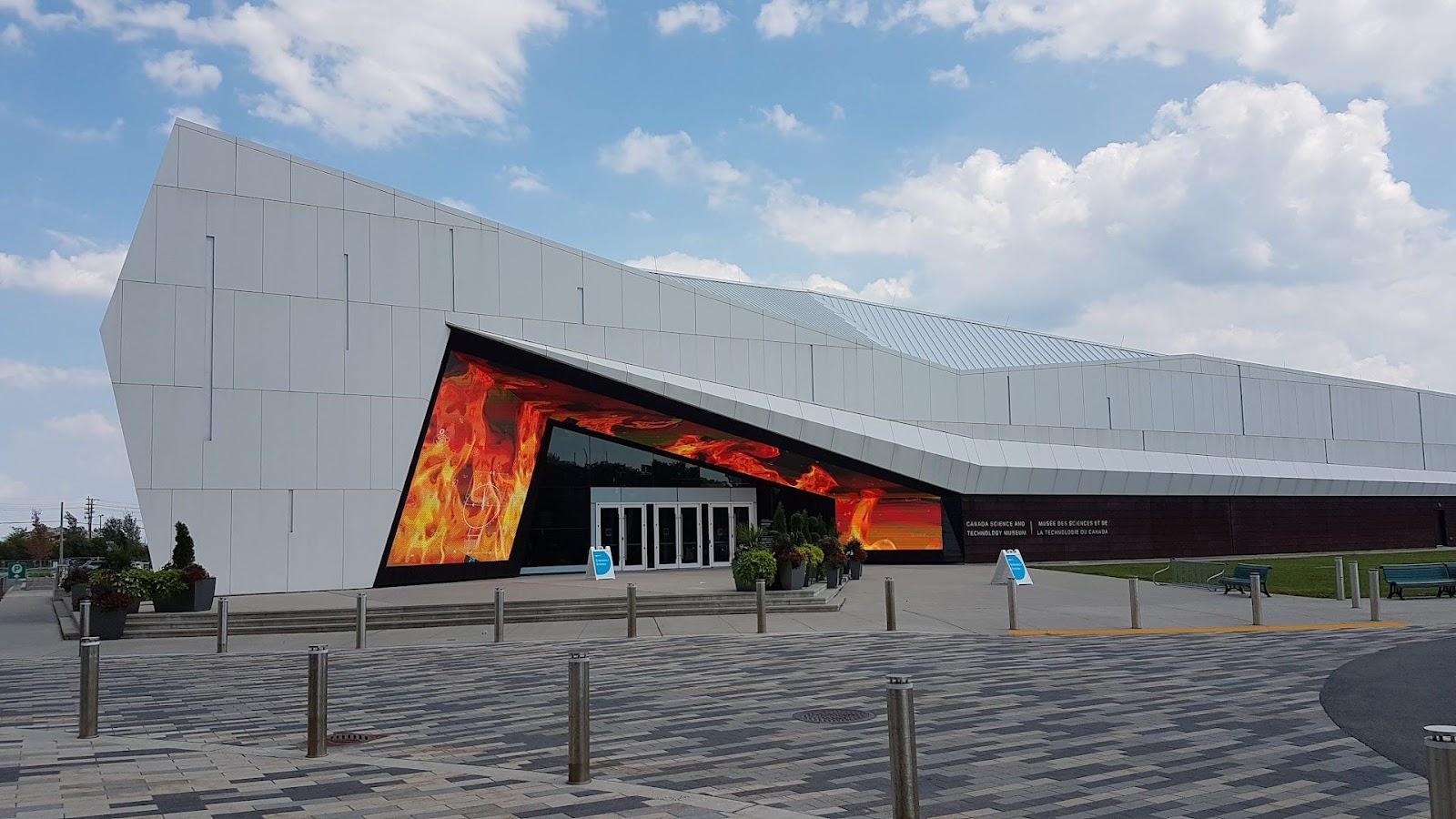
Built in 1967, the Science and Technology Museum boasts a distinctly ultramodern design. Inside, exhibitions feature Canadian railway transport and space technology, as well as exhibits on science, technology, and educational programs.
Bytown Museum Building
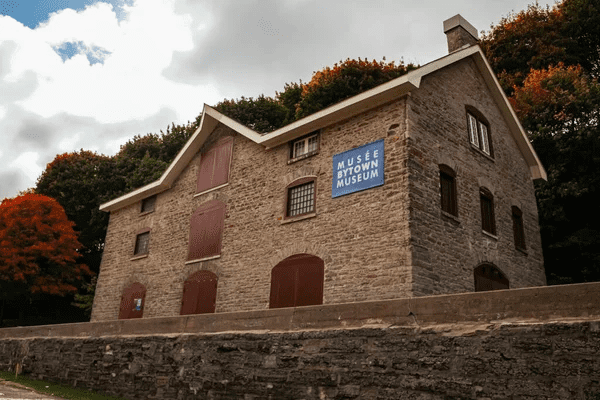
Before 1850, Ottawa was known as Bytown, named after engineer John By. The Bytown Museum, built of stone, once served as the Commissariat, a warehouse during the construction of the Rideau Canal. This historical museum sits on the canal’s banks, showcasing Bytown’s development into Ottawa.
Lord Elgin Hotel
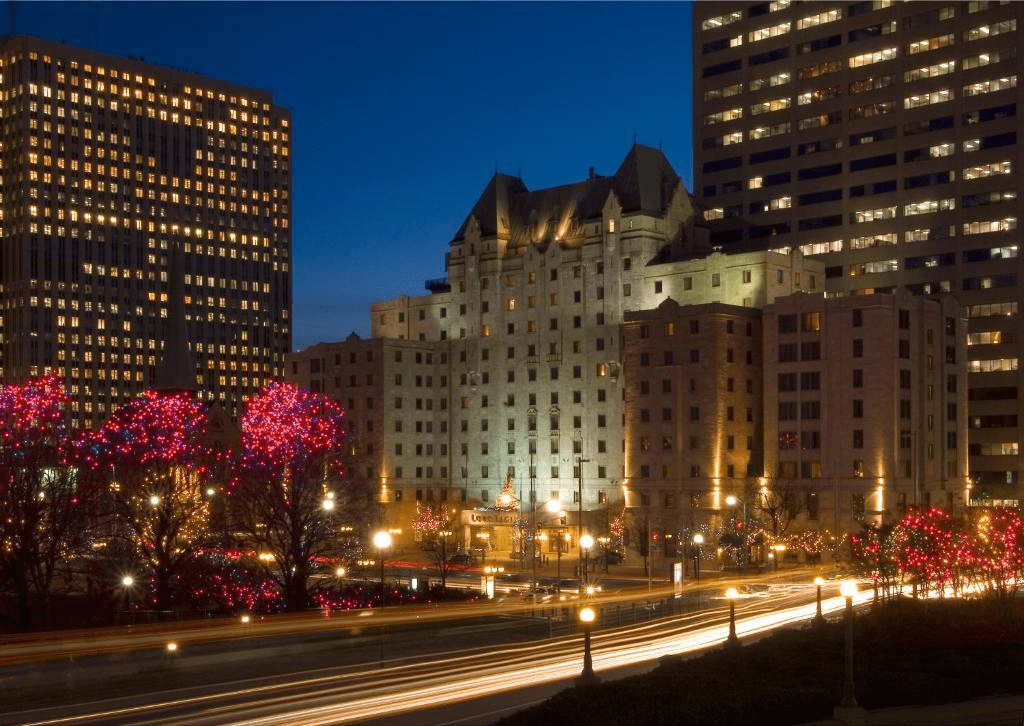
Another grand hotel with castle-like architecture, the Lord Elgin Hotel was completed in 1941. Named after the 8th Earl of Elgin and Canada’s first Governor-General, it stands on Elgin Street, which also honors his name. The hotel offers fine dining, scenic views of a city park, a swimming pool, gym, and conference facilities.
Confederation Building
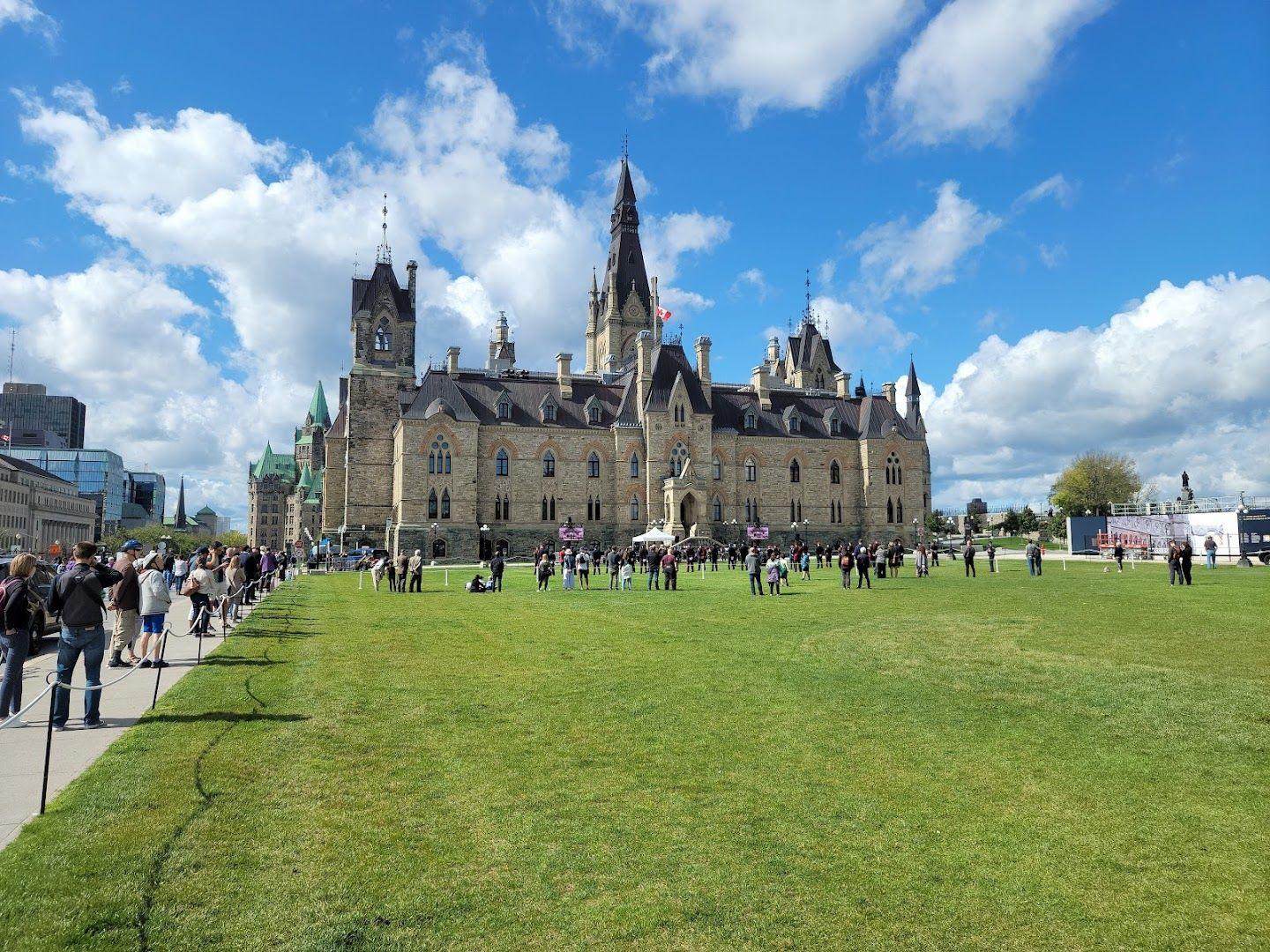
Ottawa’s Confederation Building, a national historical landmark, was built in 1931, originally housing the Department of Agriculture. Today, it serves as an office for many Canadian parliamentarians and was built in château style.
National Arts Centre Building
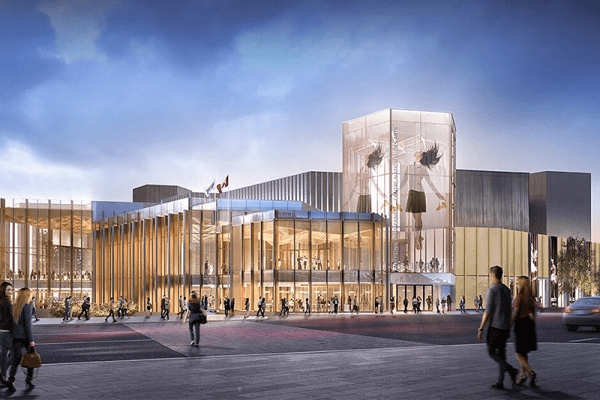
This ultramodern building impresses with its unique architecture and exhibits. Designed by Polish-Canadian architect Fred Lebensold, it reflects a strict geometric design in the Brutalist style. The glass National Arts Centre building transforms it into a bright “living room,” with LED screens in the glass tower showcasing artwork from across the country.
National Historic Site – Central Chambers Building
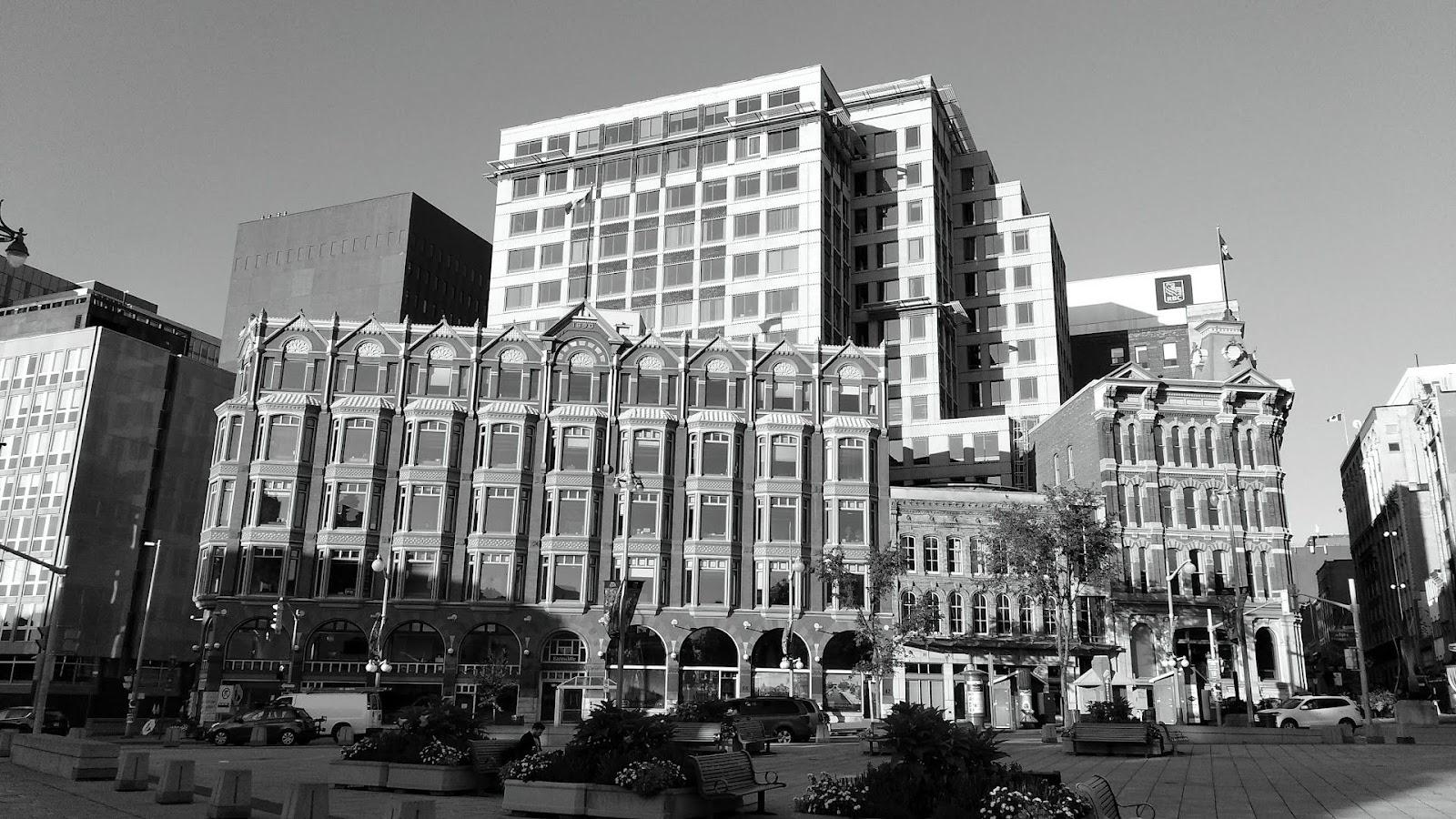
Representing Ontario’s Renaissance Revival architecture, this building, located at Sparks and Elgin, was erected in 1883. Designed by renowned architect William Hodgson, it exemplifies Victorian Italianate style, known for blending functional design with high-quality materials.
Geological Survey Building
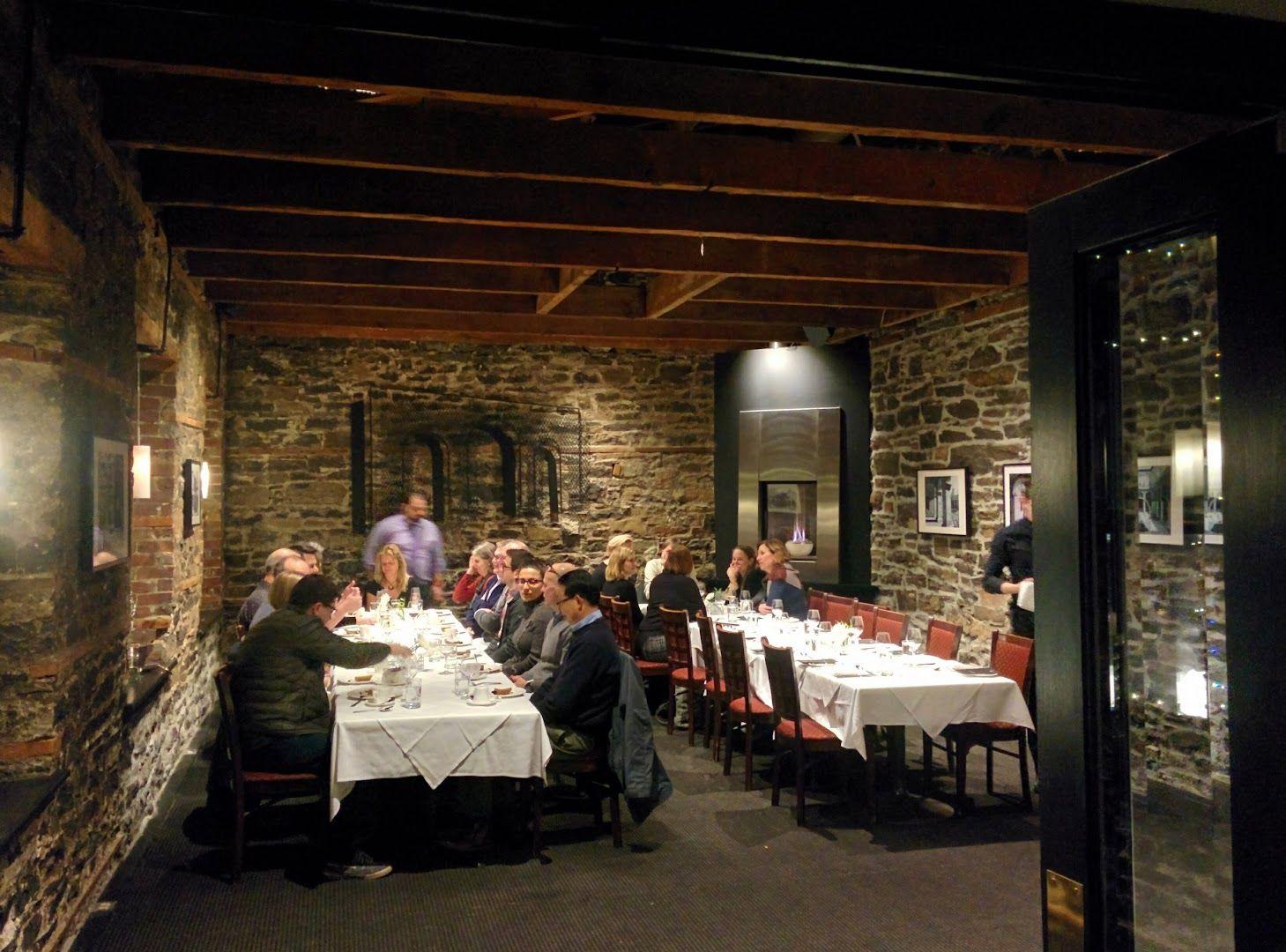
A historic Ottawa landmark, this three-story stone building once housed the Geological Survey of Canada. Located at Sussex and George in the ByWard Market area, it earned its name from its former occupant. Over the years, it hosted various public and cultural institutions, and it was designated a Canadian national historic site due to its age and significance.
Canadian Court Building
The Supreme Court of Canada, another significant government building, is Ottawa’s legal landmark. Judges review 40 to 75 cases annually, and decisions made by the nine Canadian judges are final, with no further appeals allowed.
Authorized by the Constitution Act of 1867, Canada’s Supreme Court was proposed in 1869 but only established as the highest court of appeal in 1933, with criminal appeals allowed, followed by all cases in 1949.
From Ottawa’s list of beautiful architectural landmarks, it’s evident that the capital offers a unique blend of modern and historic masterpieces. Visitors to Canada’s capital will surely have plenty to see and explore, diving deep into the region’s rich history.